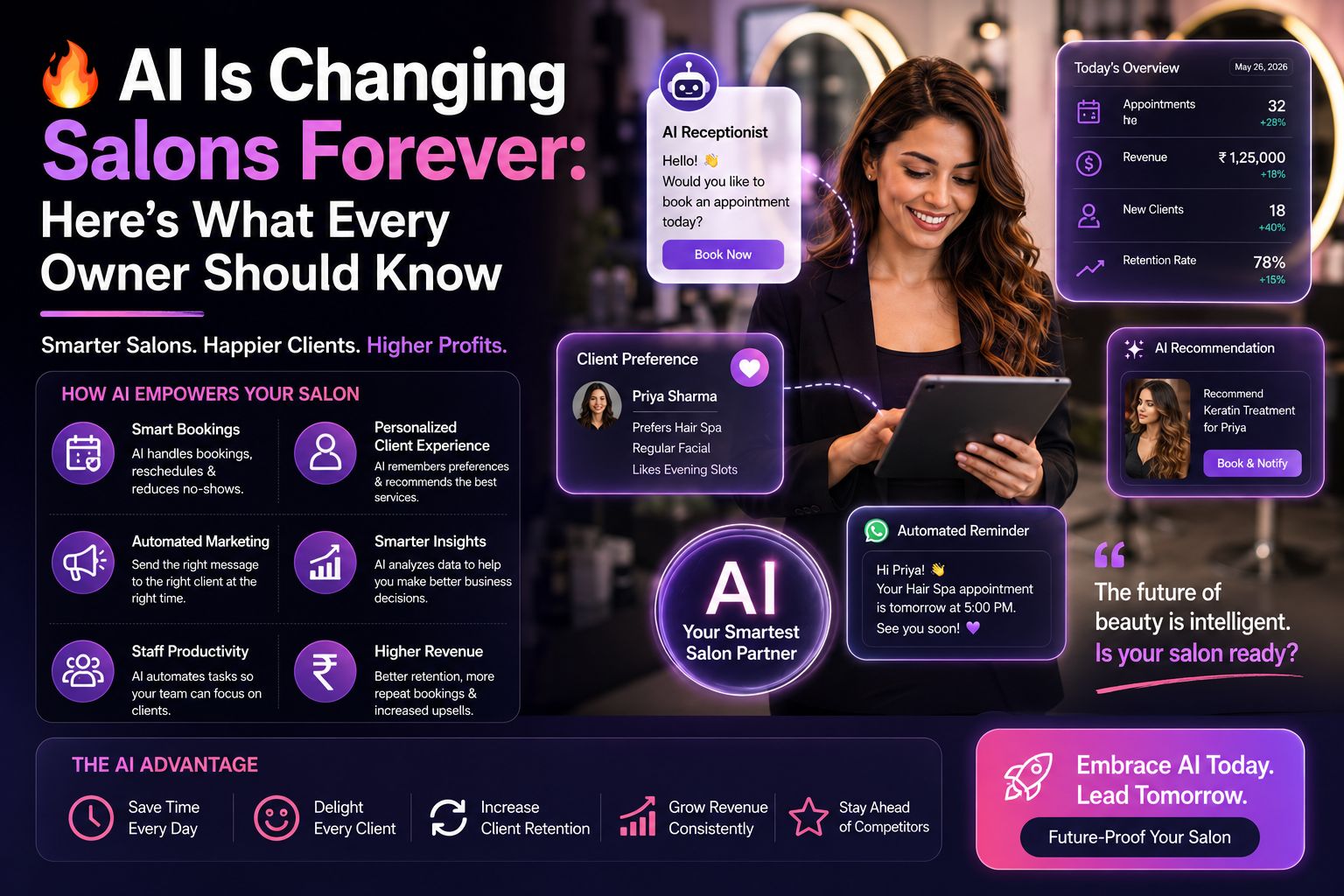


The conversation around AI in salons started quietly, but now many owners feel a growing uncertainty. You hear terms like smart scheduling and automated consultation, yet the reality feels different when your salon struggles with walk-in management and client retention. The confusion—honestly it often begins when owners compare their daily operations to what technology promises. For a typical Indian salon owner, the first sign of pressure comes from clients asking why other salons offer digital previews or automated reminders. You wonder if you are falling behind. But the real issue isn't the technology itself, but the lack of clarity about what AI actually changes in a running salon. Most owners notice that service expectations shift subtly, even without full adoption. I mean, you're running a salon not a software company.
2. What Is Really Different About AI In Salons
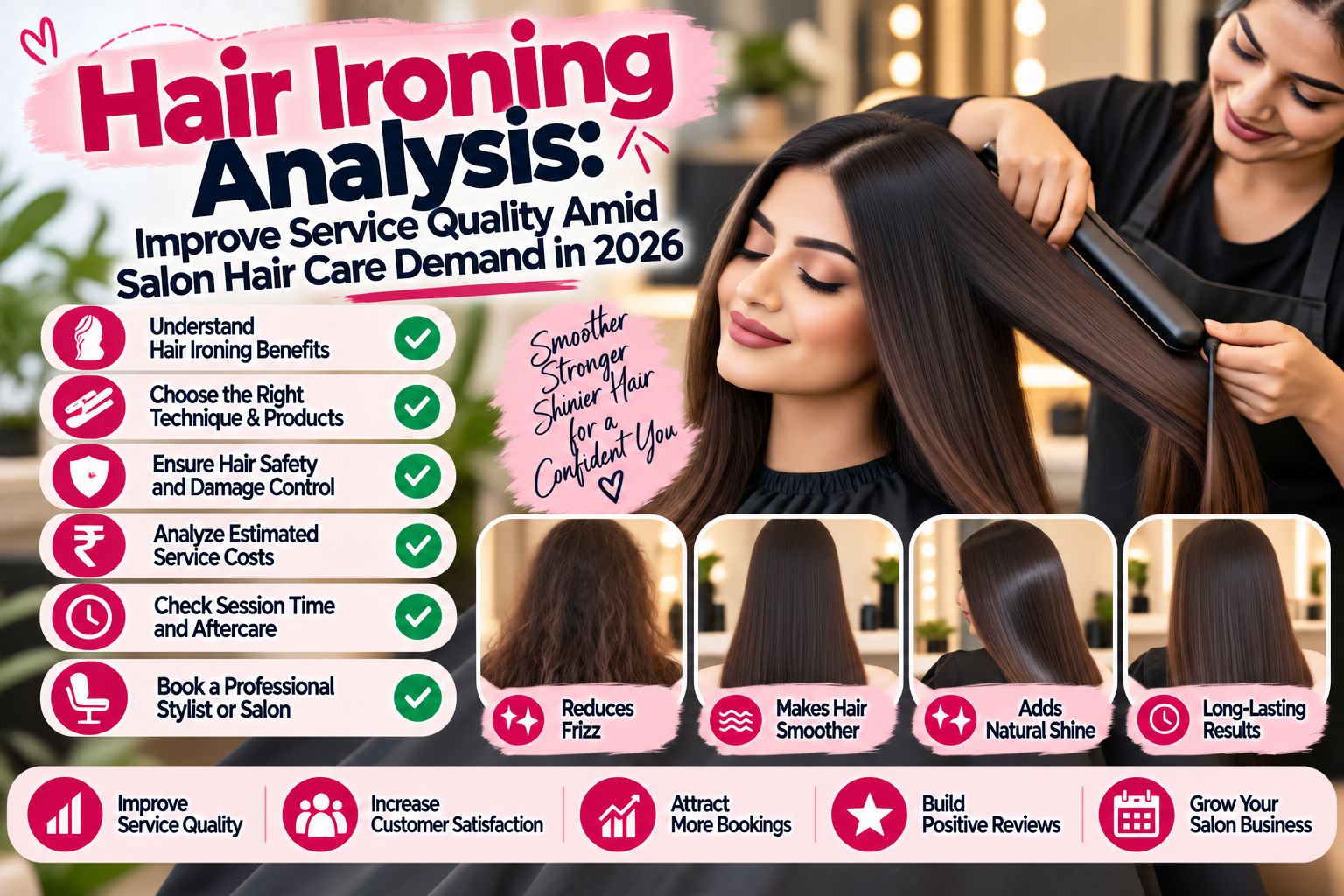
The service environment in Indian salons has always depended on human judgment and hands-on experience. AI does not replace that, but it does change how clients perceive value. Many owners overlook the fact that AI systems primarily manage data, not services. When a client receives a notification about their next hair smoothening appointment, they associate that with better service. However—and this is where it gets messy—the actual smoothening result still depends on the technician's skill and the client's hair condition. The confusion escalates when owners assume AI can fix deeper problems like inconsistent service delivery or product compatibility issues. What AI does is expose gaps that previously went unnoticed. For example, a system that tracks repeat bookings for hair color touch-ups reveals when a technician consistently causes fading faster than expected. This kind of observation feels uncomfortable but is unavoidable. And yes, that uncomfortable feeling is real.
3. Common Assumptions That Lead To Frustration
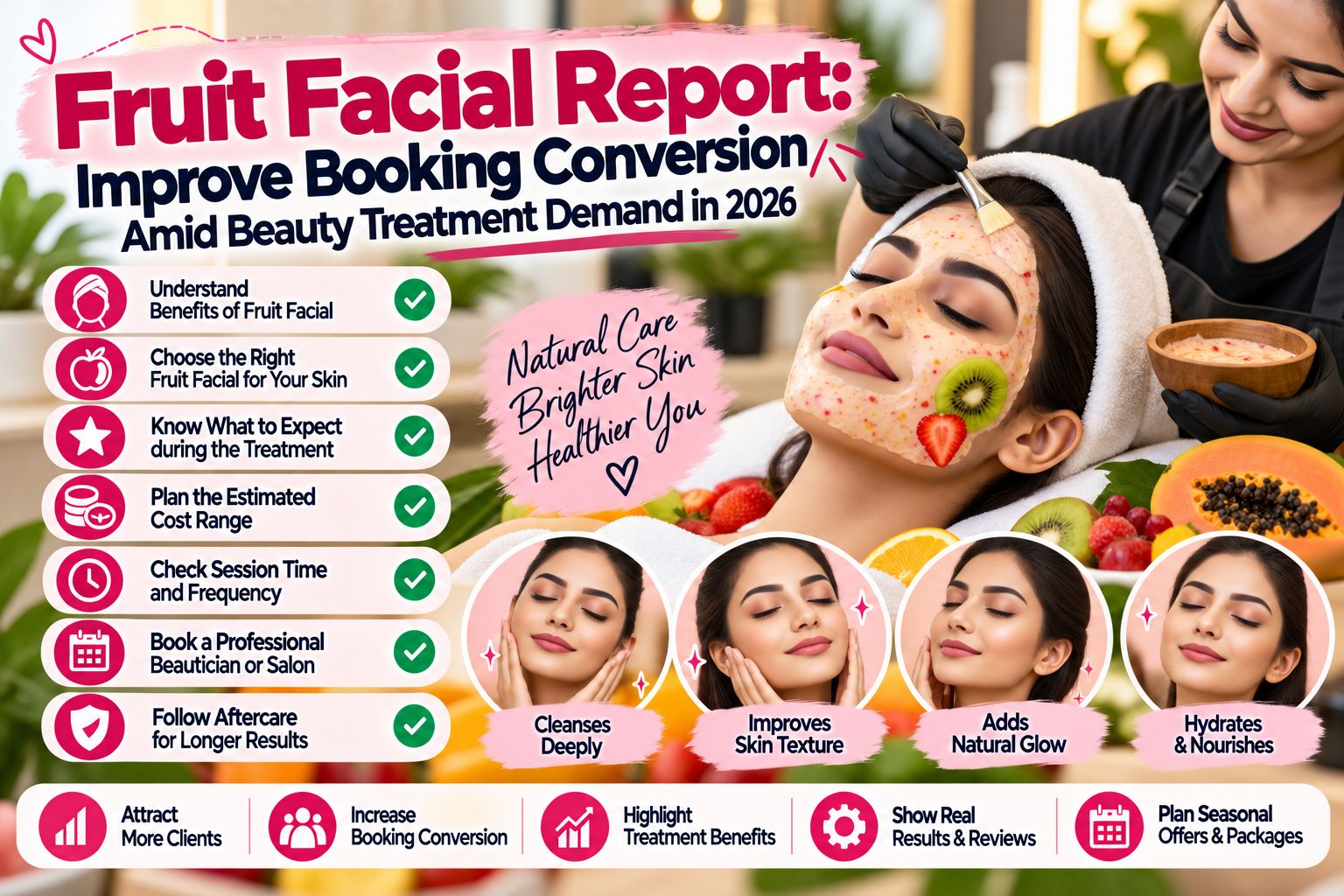
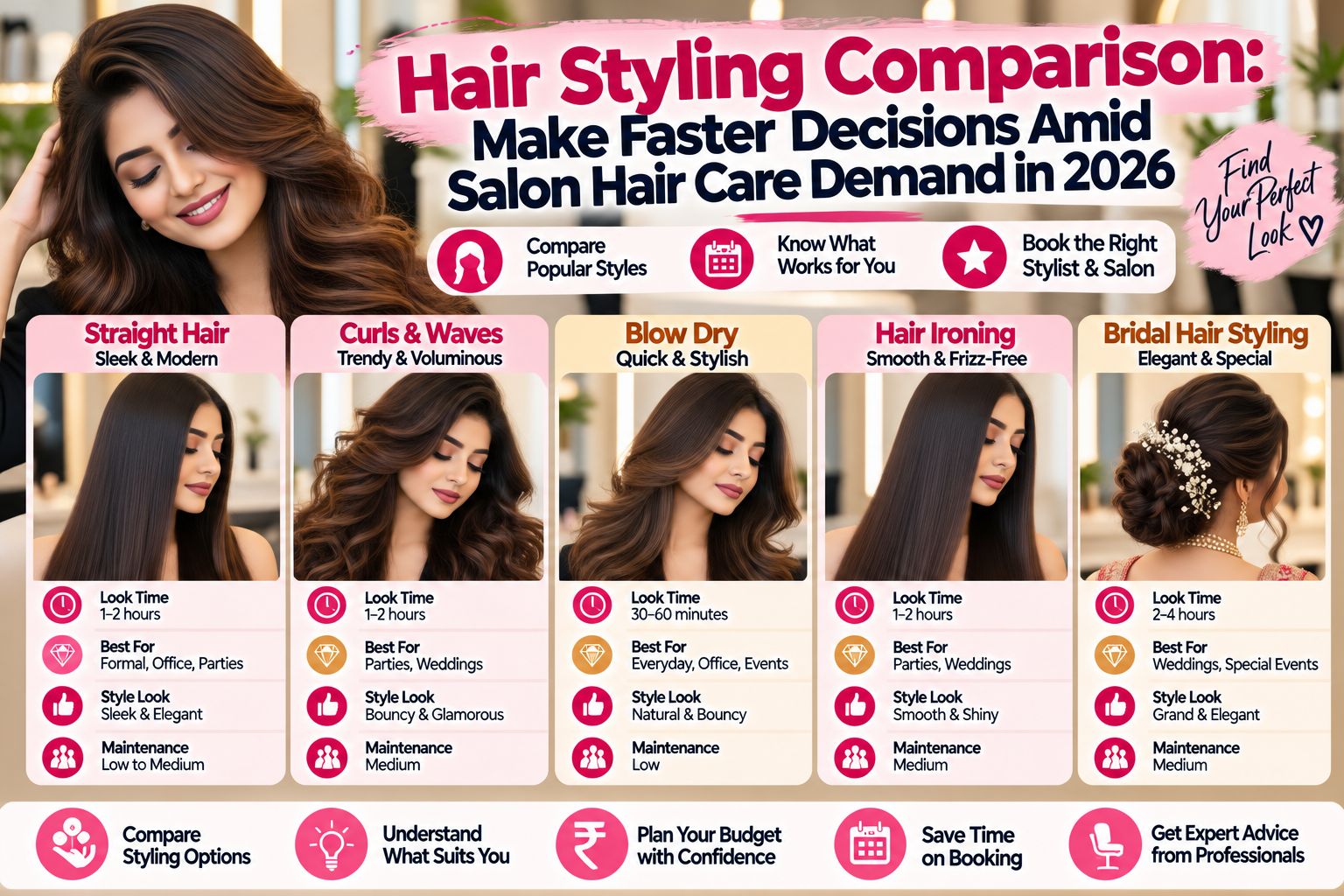
A frequent mistake salon owners make is believing AI guarantees better results or fewer complaints. The reality... is more layered. An AI-generated consultation guide may suggest a facial type based on skin sensitivity data, but if the technician misses allergic reactions during an actual fruit facial, the system cannot override human error. Many owners also assume AI reduces the need for experienced staff, which creates tension when junior technicians rely on automated scripts without understanding scalp health or hair texture. Another blind spot involves client expectations. When a client sees an AI-rendered preview of how a haircut or smoothening will look, they often hold unrealistic standards. The result may match the preview, but then the hair reaction differs because of porosity or previous chemical exposure. This dissatisfaction then gets directed at the salon, not the technology. Owners often overlook that AI cannot predict how damaged hair will behave after a treatment. Simple as that.
4. Risks Of Ignoring Client Anxiety Around Technology
Clients today feel uncertain when their usual salon introduces new systems without explanation. A long-time customer who trusts your judgment may become uneasy if a tablet replaces the consultation chat. The risk is not the tool itself, but the sudden shift in experience. For example, a bridal client preparing for events may feel rushed when an automated scheduler blocks time without considering pre-event grooming needs like hair spa sessions or skin treatments. Owners often miss that clients value human reassurance over digital convenience during high-anxiety periods. I've seen this happen myself. The dissatisfaction grows when a system suggests repeating a diamond facial every month, but the client's skin reacts negatively to frequent exfoliation. Owners then face the challenge of explaining why the system recommendation did not work, which erodes trust. The boundary here is clear: technology can assist, but it cannot substitute real observation.
5. How To Approach AI Without Losing Your Salon's Soul
The decision to adopt AI should come from understanding your salon's actual pain points, not from trend pressure. Many owners regret rushing into software that tracks inventory but fails to address why clients skip hair fall treatments after three sessions. Before any system purchase, identify what consistently frustrates your team and your customers. Clients often appreciate knowing that technology helps with timing, not with replacing your judgment. For example, using AI to remind clients about maintenance schedules for keratin treatments works well, but only if the product used in your salon is compatible with their hair type. The real value appears when you use data to decide which service to recommend, not to automate the recommendation entirely. Owners who treat AI as a support tool rather than a solution report higher satisfaction. The boundary appears when clients realize the system cannot override your experience; that is when confidence returns. Some owners find it helpful to discuss these decisions with peers. You can explore common beauty service questions through resources like salon FAQs or hair care resources to see how others handle similar transitions.
-
Can AI replace a salon receptionist completely? AI handles scheduling and reminders, but human receptionists manage client emotions and unexpected delays that systems cannot predict. -
Will AI make my stylist's experience useless? AI provides data insights, but stylist judgment regarding hair texture and scalp condition remains essential for service quality. -
Is AI suitable for small Indian salons with limited budgets? Basic AI scheduling tools are affordable, but owners should invest only in features that solve actual operational problems, not marketing hype. -
Does AI improve client satisfaction in salons immediately? Initial satisfaction often dips because clients need time to adjust to digital interactions instead of personal conversations. -
Can AI predict which facial treatment suits a client best? AI can analyze past reactions, but patch tests and skin sensitivity checks must still be performed by a trained professional. -
Why do some salon clients refuse AI-based consultations? Clients often feel anxious that automated systems cannot understand their real concerns about hair fall or skin reactions. -
How long should a salon wait before adopting AI tools? There is no fixed timeline, but waiting until client demand or staff inefficiency creates clear pressure is usually safer. -
What should a salon owner prioritize before using AI? Consistency in service delivery and clear communication with clients must be stable before introducing any automated system.