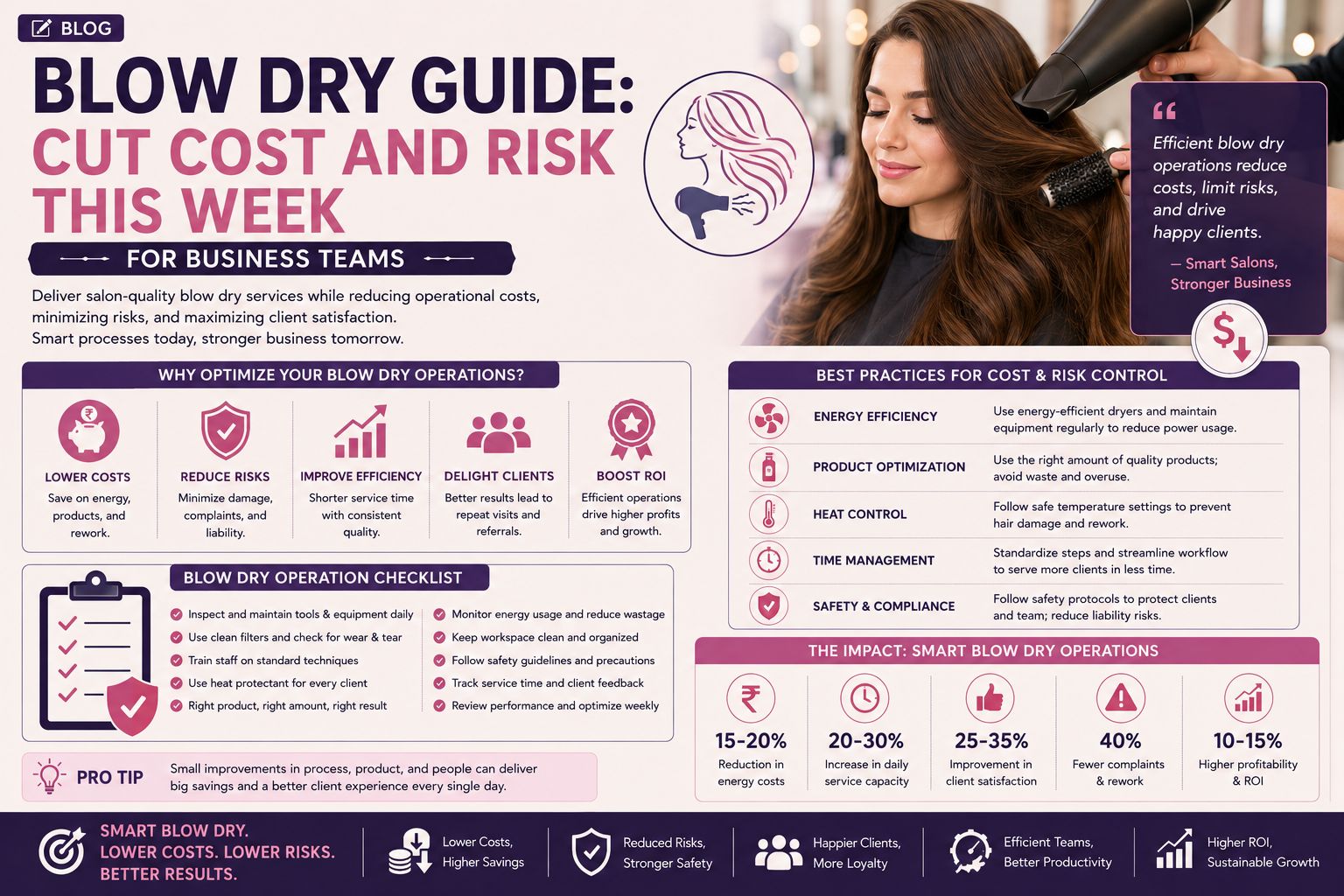


Business teams planning salon visits often overlook how a simple blow dry fits into their weekly schedule. A blow dry seems like a basic service, yet it carries hidden costs and timing risks that many professionals do not consider until they are already seated in the salon chair. When teams coordinate appointments around meetings, client presentations, or travel schedules, the pressure to look polished becomes real. This blow dry guide focuses on helping business teams understand what a professional blow dry actually involves, what it costs beyond the price tag, and how small planning choices reduce both expense and disappointment.
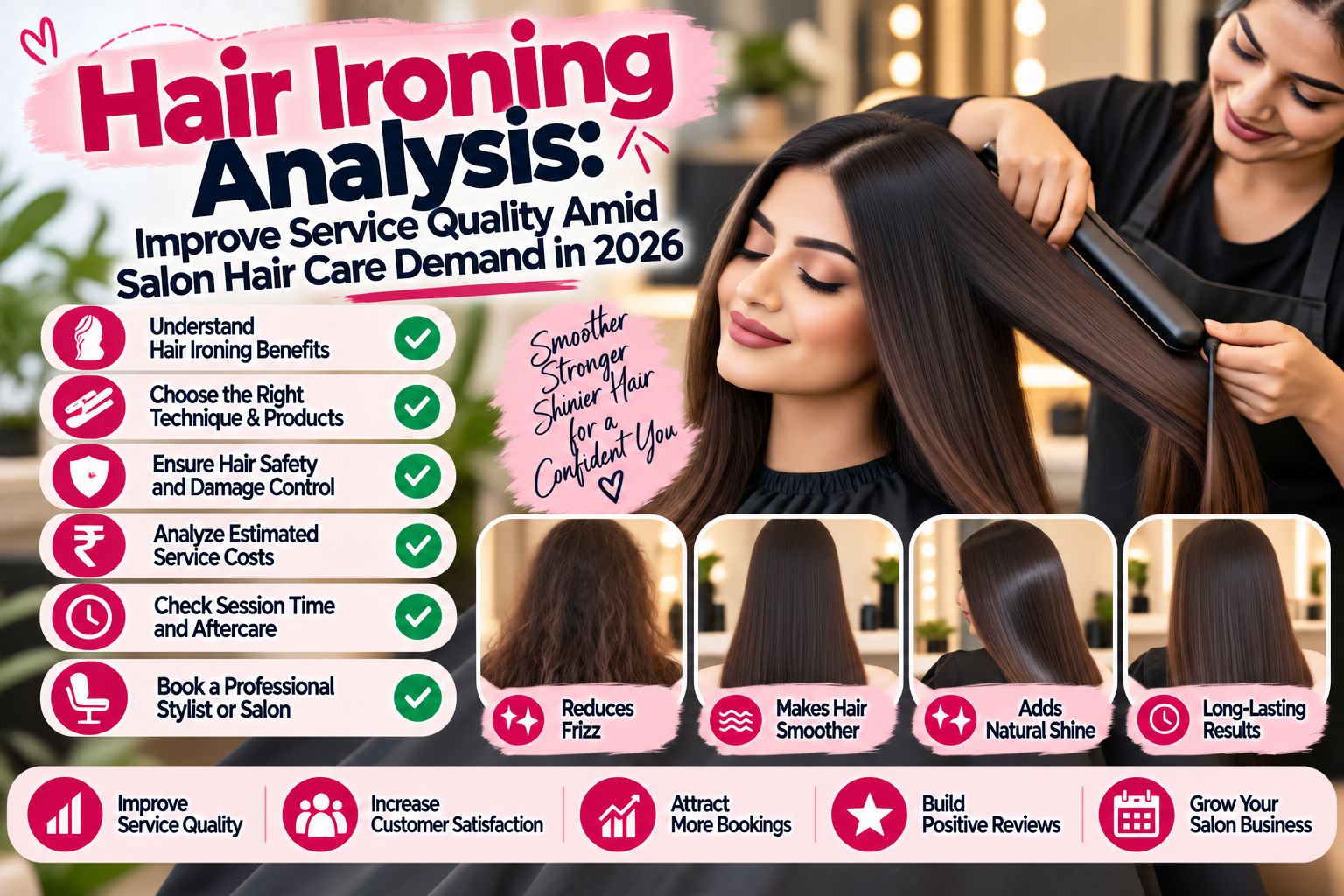
A blow dry is not just a quick styling session. It involves washing, product application, and heat styling that shapes the hair for a few days. For business teams, the appeal lies in instant polish and time saved on morning routines. However, the result depends heavily on hair condition, the stylist's approach, and the products used. Observing how salons handle busy slots reveals that rushed appointments often lead to uneven styling or excess product buildup. Teams that understand these details can avoid repeat visits and unexpected touch-up costs.
Why Blow Dry Costs Add Up Quickly for Teams
When business teams book blow dry appointments, the listed price rarely tells the full story. Additional charges often appear for longer hair, thicker texture, or styling products that are not included in the base service. Consultation time also matters because a stylist who rushes through the initial discussion may not understand the desired outcome, leading to rework or dissatisfaction. Many teams discover that what seemed like a budget-friendly service turns into an expensive recurring expense when results do not last.
Another overlooked cost factor is the frequency of visits. A single professional blow dry might look good for one day, but humid weather or travel can flatten the style quickly. Teams that need consistent polish for client meetings may book multiple appointments per week, multiplying expenses. Salon foot traffic often peaks around lunch hours and late afternoons, meaning teams that book without considering peak timing may pay premium rates or wait longer. Understanding these patterns helps business professionals reduce unnecessary spending while maintaining a professional appearance.
The Real Risks Behind Every Blow Dry Appointment
Risk in a blow dry context goes beyond minor styling issues. Heat damage is a genuine concern when hair is already weak, chemically treated, or exposed to frequent styling. Business teams often assume that a professional service is automatically safe, but constant high heat without protective measures can lead to split ends and dryness over time. Scalp sensitivity is another hidden factor, especially when heavy styling products come into contact with irritated skin or dandruff-prone areas.
There is also a timing risk that many professionals underestimate. A blow dry appointment that runs over schedule can disrupt back-to-back meetings or travel plans. Many salon visits reveal that precision work takes longer than the estimated slot, especially when hair texture is thick or dense. Business teams should also consider how weather conditions affect blow dry results. Rain or humidity can cause frizz and reduce longevity, which means a style that worked last week may not hold up this week. Recognizing these risks ahead of time helps teams set realistic expectations instead of feeling blindsided by results.
How Misjudging Blow Dry Expectations Creates Waste
A common mistake business teams make is assuming that blow dry results are permanent or that one session can replace a proper hair care routine. A professional blow dry offers temporary polish, not structural repair. When teams expect longevity that the service cannot deliver, disappointment follows, and they may blame the salon unfairly. Another misjudgment involves skipping proper aftercare thinking that the salon treatment provides complete protection, only to notice frizz or flatness the next morning.
Teams often overlook the importance of communicating their plans clearly. A stylist who does not know that a client has an evening event may use products that look great in daylight but appear greasy under artificial lighting. Similarly, clients who skip mentioning recent chemical treatments may receive styling that reacts unexpectedly with their current hair condition. These communication gaps create unnecessary rework and dissatisfaction, which in business settings translates to lost time and additional appointments. Collecting clarity before booking prevents many of these avoidable outcomes.
Smart Decisions Business Teams Should Make This Week
For business teams, the smartest approach is to plan blow dry appointments around actual needs instead of defaulting to routine bookings. If a big presentation happens on Thursday, scheduling a blow dry on Wednesday evening often provides fresh results without the morning rush. Teams should also ask salons about service duration and product costs before confirming, reducing surprises at checkout. Reading through helpful beauty service questions or checking salon FAQs can provide clarity on typical pricing structures and what to expect during a visit.
Maintenance plays a larger role than most teams realize. Investing in a good dry shampoo or lightweight styling cream extends blow dry freshness, reducing the need for repeated appointments. Teams that understand their hair type and how it reacts to weather can adjust their scheduling accordingly. When results consistently fall short despite proper care, it may be time to reassess whether the current salon matches the team's needs. Some teams find that exploring salon courses or consulting with experienced stylists offers better long-term guidance than repeating the same service blindly.
Frequently Asked Questions
q How long does a professional blow dry actually last? a A professional blow dry typically lasts two to three days depending on hair texture, weather conditions, and the aftercare products used.
q Can a blow dry cause damage to my hair? a Frequent heat styling without protective products can lead to dryness and split ends, especially when hair is already chemically treated.
q Why does my blow dry look flat the next morning? a Humidity, sleeping without a silk scarf, or using heavy styling products often causes blow dry styles to lose volume quickly.
q Is a blow dry worth the cost for regular office work? a A blow dry can save morning styling time, but the value depends on how often you need polished results during the week.
q Should I book a blow dry on the day of an event? a Booking a blow dry a day before an event usually gives the style time to settle while still looking fresh and polished.
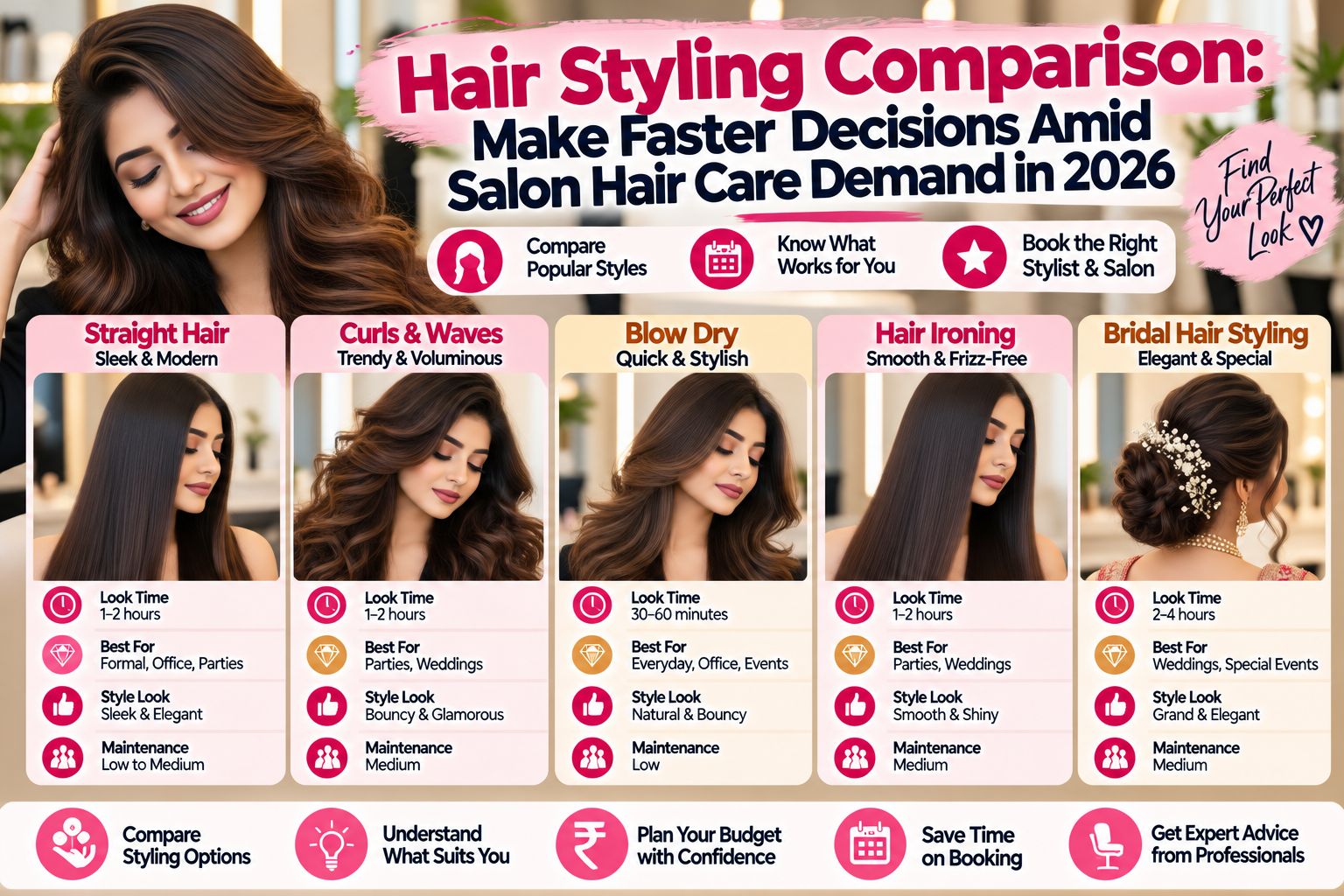
q What is the difference between a blow dry and hair styling? a A blow dry focuses on shaping hair with heat, while hair styling may include curling, straightening, or creative finishing techniques.
q Can I reduce the cost of repeated blow dry appointments? a Using quality dry shampoo and learning basic touch-up techniques at home helps extend blow dry results between salon visits.
q When should I stop booking blow dry services and try another treatment? a If results consistently look dull or damaged despite proper aftercare, a hair spa or repair treatment may address the root cause. Parlourtime discussions often highlight that maintenance expectations influence satisfaction more than the treatment itself.