

Engagement makeup sits at the centre of one of the most emotionally loaded salon appointments a customer will ever book. The bride wants a glow that photographs well, the family wants it to last through a long event day, and the salon wants the client to return for the wedding itself. When engagement makeup goes well, retention follows naturally. When it goes wrong, the customer often disappears quietly and books elsewhere. Most retention problems in engagement makeup actually begin long before the makeup brush touches the skin.
What Engagement Makeup Really Means During a Real Salon Booking
The first thing a customer usually notices is that engagement makeup is not a single appointment. It is a sequence. There is a trial, sometimes two, then a final booking closer to the event. Brides often arrive at the trial unsure whether they want a dewy finish or a matte one, and the confusion shows on their face when they see the mirror. Some brides cry, some go silent, some immediately ask for changes. Salons that treat the trial as a formality lose the customer at this stage. Customers searching for guidance on beauty guidance often underestimate how much the trial shapes the final booking decision.
Confusion also comes from the language used around engagement makeup. A bride may say she wants a natural look but actually mean flawless. She may ask for a glam look but feel uncomfortable when the contour appears heavier than expected. The salon staff must read between the words. Retention here depends on whether the customer feels understood, not just whether the makeup looks good in the salon mirror. A bride who feels heard during the trial is far more likely to return for the wedding booking.
What Actually Happens on Indian Skin and Hair During Engagement Preparation
Engagement makeup results vary widely because Indian skin tones, textures, and oil patterns vary widely. A base that looks flawless on a person with normal skin can oxidise within two hours on someone with oily skin. A bride with dry patches may find that foundation clings to flaky areas by mid-event. These are not salon failures. They are skin realities. Engagement makeup performs differently depending on hydration levels, recent facial treatments, weather, and how many layers of product are applied.
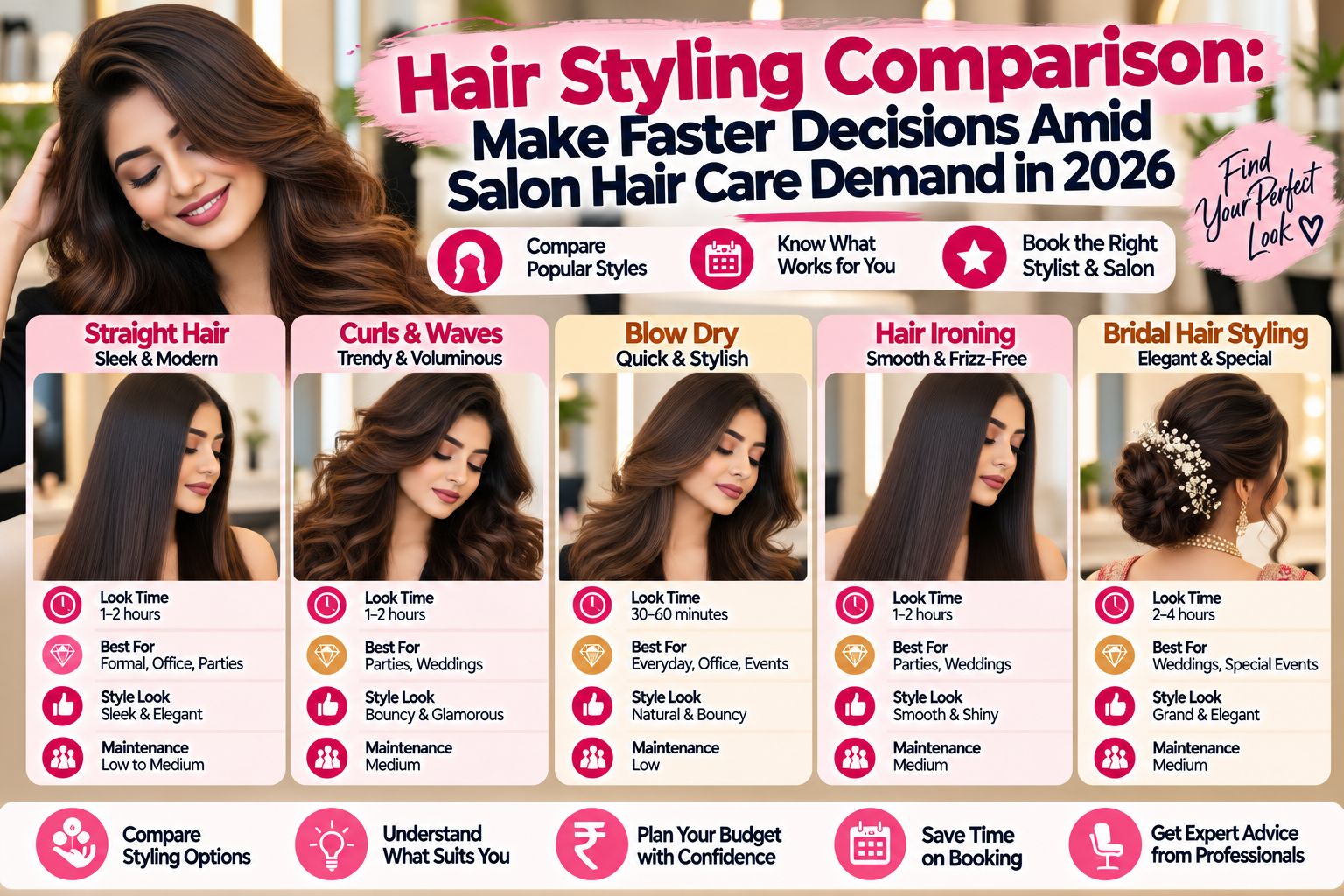
Timing matters more than most brides realise. A facial done two days before the engagement can leave skin slightly reactive, and heavy makeup on reactive skin often looks patchy by evening. A facial done a week earlier usually gives the skin enough time to settle. Hair smoothening or keratin treatments scheduled too close to the event can also create issues if the hair has not settled properly, especially in humid weather. Engagement makeup is not just about the makeup itself. It is about what the skin and hair have been through in the weeks before.
Another overlooked detail is that photos change how makeup reads. A look that feels light in person can appear washed out on camera, and a look that feels heavy in person can look perfect on camera. Brides often judge the trial based on the mirror alone, then feel unsure when they see photographs later. Salons that explain this gap before the trial reduce panic and build trust. This single explanation often improves retention more than any discount.
Where Engagement Makeup Expectations Start to Break Down
The most common mistake is assuming that a higher price guarantees a better engagement makeup outcome. It does not. Product quality matters, but skin condition, artist skill, and timing matter more. A bride with compromised skin barrier from aggressive facials or at-home exfoliation may not achieve the smooth base she saw on someone else. The dissatisfaction is real, but the cause is not the salon. It is the skin condition that was never addressed or disclosed.
Another blind spot is the assumption that one trial is enough. Many brides finalise the look after a single sitting, then change their mind two weeks later. Salons that do not build in a follow-up conversation lose the chance to correct course early. Some customers also skip mentioning past reactions to makeup, primers, or adhesives, and then blame the salon when redness or irritation appears. A patch test is not a formality. It is a retention tool.
Misunderstanding aftercare is another quiet killer. Brides often expect the engagement makeup look to survive a full day of photos, food, and family interaction without touch-ups. It rarely does. Humidity, oil, and heat all affect how long a base lasts. When the makeup fades by evening and the bride feels it was a failure, she may not complain directly. She simply does not return. Salons that set realistic expectations about touch-up needs and product compatibility protect themselves from this silent churn.
How to Decide Timing, Maintenance, and Next Steps Before the Wedding
Timing decisions should be made backwards from the event date. Skin prep treatments like facials work best at least one week before the engagement. Hair smoothening or keratin should ideally be done two to three weeks earlier so the hair has time to settle. Colour treatments should not be squeezed into the final week unless absolutely necessary. Engagement makeup itself should have a trial at least ten to fourteen days before the event, not two days before.
When deciding whether another trial is needed, the question is not whether the look can be improved. It is whether the skin or hair condition has changed since the last sitting. If nothing has changed, another trial rarely helps. If the bride has had new facial treatments, changed her skincare routine, or experienced a reaction, a reassessment makes sense. Repeating the same engagement makeup approach without addressing the underlying skin or hair condition usually produces the same result.
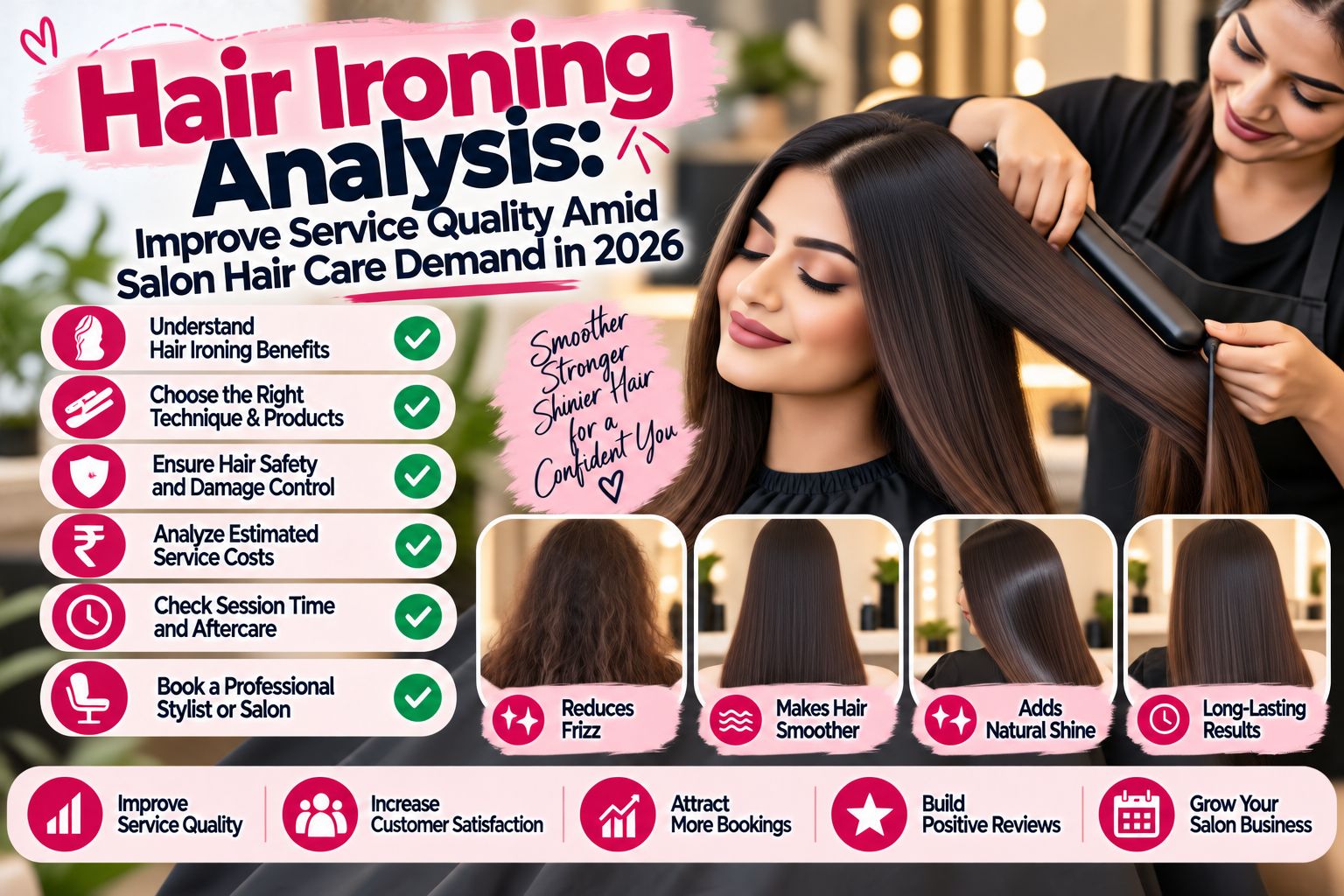
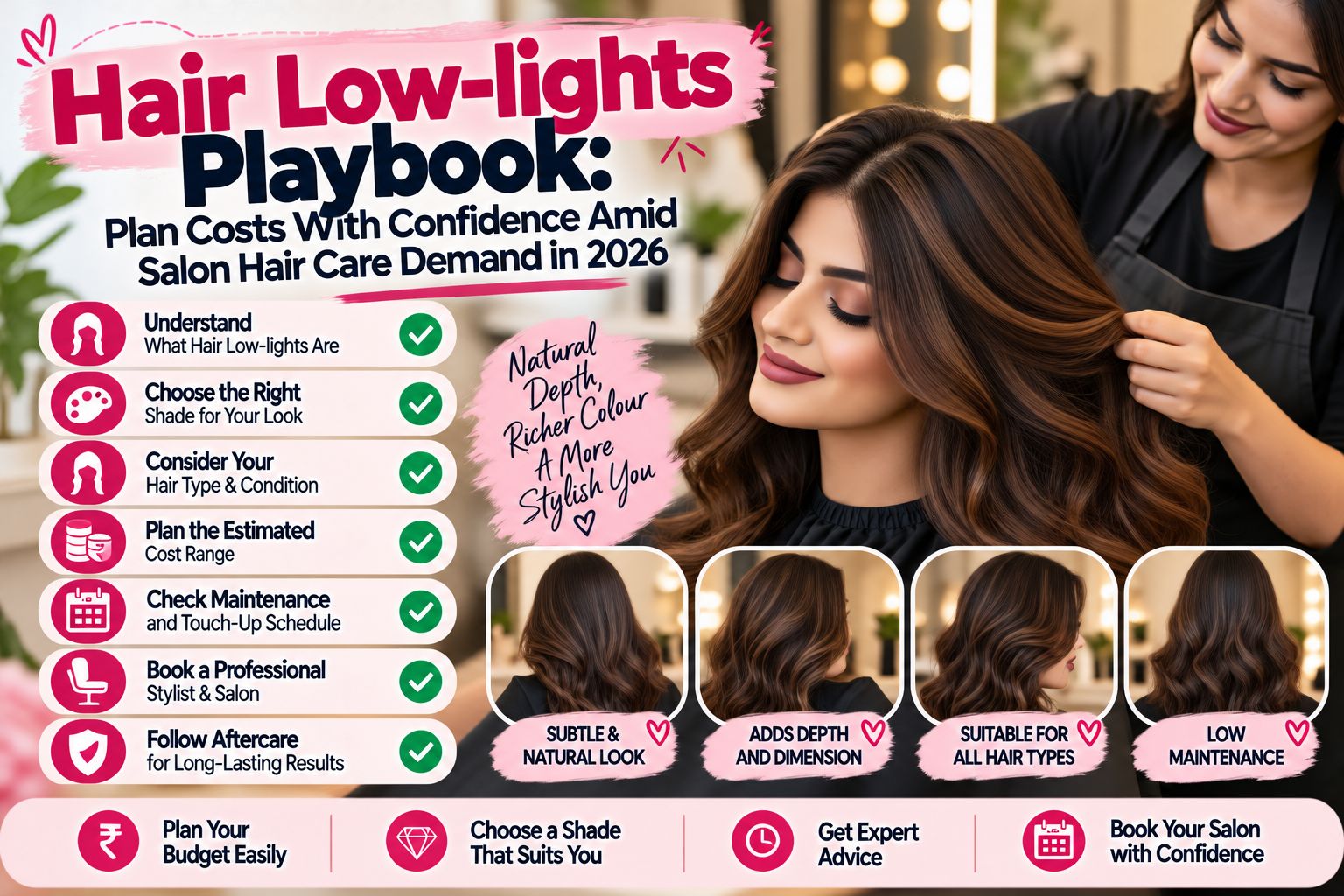
Maintenance between engagement and wedding also matters. Brides who continue with gentle hydration and avoid experimenting with new products tend to have more predictable outcomes. Those who try new facials, new serums, or new hair treatments in the final weeks often create new problems. Professional reassessment becomes necessary when reactions occur, when results do not match even the second trial, or when the bride's expectations have shifted significantly. This is where honest guidance matters more than upselling. Some customers use parlourtime to compare service timing before booking engagement and wedding treatments, which helps them avoid last-minute decisions.
Frequently Asked Questions About Engagement Makeup and Salon Retention
q Why does engagement makeup look different in photos than in the mirror?
a Lighting, camera flash, and product finish interact differently than natural light, so a look that feels balanced in person can read heavier or lighter on camera.
q Can a facial just before engagement improve makeup results?
a A facial done too close to the event can leave skin slightly reactive, so most artists prefer a gap of at least five to seven days.
q Is a makeup trial really necessary for engagement?
a A trial allows both the bride and the artist to test product compatibility, skin behaviour, and the final look before the actual event day.
q Why does engagement makeup fade faster on some skin types?
a Oily skin, humidity, and product layering commonly cause faster fading, and these factors are usually more important than the makeup brand used.
q Can hair smoothening before engagement affect the overall look?
a Yes, if smoothening is done too close to the event, the hair may still be settling, which affects how styling holds through the day.
q When should a bride consider a second engagement makeup trial?
a A second trial helps when skin or hair condition has changed, when the first look did not match expectations, or when the event requirements have shifted.
q Does expensive makeup guarantee better engagement results?
a No, skin condition, artist technique, and timing usually influence engagement makeup outcomes more than the price of the products used.
q How can salons improve retention after engagement makeup services?
a Salons that educate customers about timing, aftercare, and realistic expectations tend to build stronger trust and see more repeat wedding bookings, and some list their services on parlourtime where brides compare options.