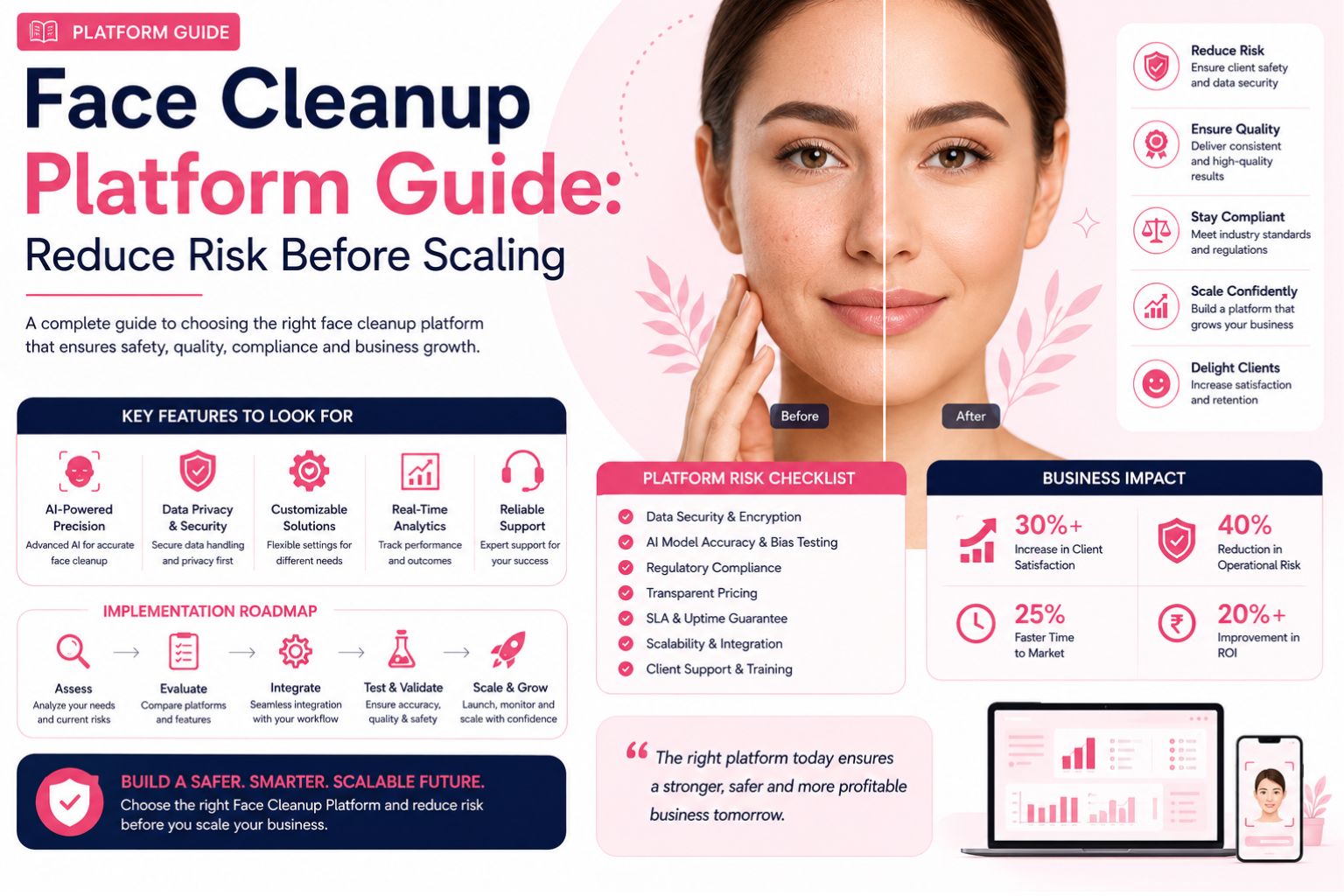


What Platform Risk Looks Like During Salon Growth
Many beauty professionals underestimate how much control shifts when they partner with a face cleanup platform—like, we think we're still in charge but are we really? The platform often manages client acquisition, pricing visibility, and scheduling expectations. Your salon becomes one option among many listed services. Clients arrive with assumptions shaped by platform descriptions rather than your expertise. This creates a gap between what the client expects and what you can realistically deliver. For example, a cleanup facial usually takes 30–45 minutes, but platform descriptions may imply faster results or dramatic transformations. When the service finishes, the client may feel underwhelmed. This dissatisfaction does not always reflect your skill. It reflects poor expectation management baked into the platform. Real salon observations show that clients who book through platforms often expect instant glow, no redness, and zero recovery time. Like, they think it's magic or something. When temporary redness or tightness appears after a cleanup facial, confusion and frustration follow. This risk multiplies as you scale because more clients mean more mismatched expectations. I've seen this happen so many times.Reality Check: Why Scalability Changes Platform Performance
A face cleanup platform that works for a few local clients may break under the strain of a wider audience—and trust me, it breaks quietly at first. Skin conditions, climate variations, and aftercare habits differ dramatically across regions. A cleanup protocol that works well for dry skin in a cool climate may trigger breakouts or excessive oiliness in humid conditions. Many platform algorithms do not account for these local factors. They standardise service listings, pricing, and time slots without considering your specific client demographic. As your booking volume increases, you may notice more no-shows, more complaints about patchy results, and more requests for refunds. These patterns indicate that the platform has not adjusted to your real client base. The mismatch becomes visible when clients with sensitive skin book aggressive exfoliation treatments expecting a gentle glow. Salon professionals commonly report that clients skip patch tests because platform booking flows do not require them. This oversight increases risk during busy periods when you are serving multiple new clients daily. Scalability does not automatically mean profitability. It often reveals hidden friction points that were invisible at lower volumes—kind of like finding cracks only when you pour water.Mistake: Overlooking Client Preparation and Aftercare Gaps
The most common blind spot for beauty professionals scaling through a face cleanup platform is underestimating how much client education matters—and honestly, I was guilty of this too. Platforms rarely provide space for pre-service instructions or post-service care reminders. Clients arrive without knowing they should avoid retinoids, exfoliants, or sun exposure before their cleanup facial. After the service, many clients resume their regular skincare routine immediately, which can include ingredients that react badly with freshly exfoliated skin. This leads to unnecessary reactions like burning, excessive redness, or breakouts. The client blames your service, but the real cause is incompatible product use. Another overlooked condition is skin barrier damage. Clients who have been using strong active ingredients at home may already have compromised skin. A standard cleanup facial can trigger unexpected sensitivity. Without a proper consultation process built into the platform, you are performing services blind. This escalates dissatisfaction quickly. The salon professional ends up absorbing all the blame while the platform remains invisible. Scaling without solving this education gap guarantees a rising complaint curve—trust me, I've seen the curve go up fast.Decision Help: When to Scale and When to Wait
The decision to scale using a face cleanup platform requires honest assessment of your current setup—and I mean really honest, not the "I'll figure it out later" kind. Evaluate whether your consultation process can handle a larger, more unpredictable client flow. If your intake form does not ask about current skincare products, recent treatments, or skin sensitivity, scaling now increases risk. Consider whether your service menu includes options for sensitive skin, short recovery treatments, or express consultations. Platforms reward speed and volume, but beauty services require personalisation. Another factor is your aftercare support. Can you provide easy-to-follow guidance that fits into the platform communication system? Without it, clients will make mistakes. Timing also matters. Avoid scaling during high-demand seasons like wedding periods or festival months when client expectations are highest and your availability is lowest. Scaling during these times often leads to rushed services and overlooked details. If your platform does not allow you to set realistic time buffers between appointments, reconsider growth. Professional reassessment becomes necessary when complaints about the same issue—like patchy results, skin reactions, or fading results—appear repeatedly. Some customers use parlourtime to compare service timing and treatment suitability before booking, which helps align expectations better. The safest scaling path includes platforms that respect service reality, not just booking volume.Frequently Asked Questions
q What is the biggest risk of scaling with a face cleanup platform?
a The biggest risk is mismatched client expectations because platforms standardise descriptions without accounting for individual skin conditions and aftercare needs—honestly, that's where most problems start.
q How do I know if a platform is safe to scale with?
a Look for platforms that allow you to customise service details, include mandatory consultation steps, and provide space for aftercare instructions. If they don't, maybe wait.
q Why do some clients react badly after a platform-booked cleanup facial?
a Reactions often occur because clients skip patch tests and continue using incompatible skincare products immediately after the service—and the platform doesn't warn them.
q Can scaling through a platform damage my salon reputation?
a Yes, because dissatisfied clients often blame the salon directly, and negative reviews on the platform affect future bookings across all channels—it's unfair but it happens.
q What should I check before adding a cleanup facial to a platform?
a Verify that your consultation process, product compatibility, and aftercare communication can support a faster, higher-volume client flow. Don't skip this step.
q Is a face cleanup platform suitable for sensitive skin clients?
a It depends on whether the platform allows you to offer modified treatments and requires clients to disclose skin conditions before booking—otherwise, it's risky.
q How can I reduce risk when starting with a new platform?
a Start with a small service window, collect feedback from the first 20–30 clients, and adjust your service description and process before scaling further—patience pays off.
q When should I stop scaling and reassess my platform partnership?
a Stop scaling when you see repeated complaints about the same issue, rising no-show rates, or increasing refund requests related to service expectations. Listen to those patterns.