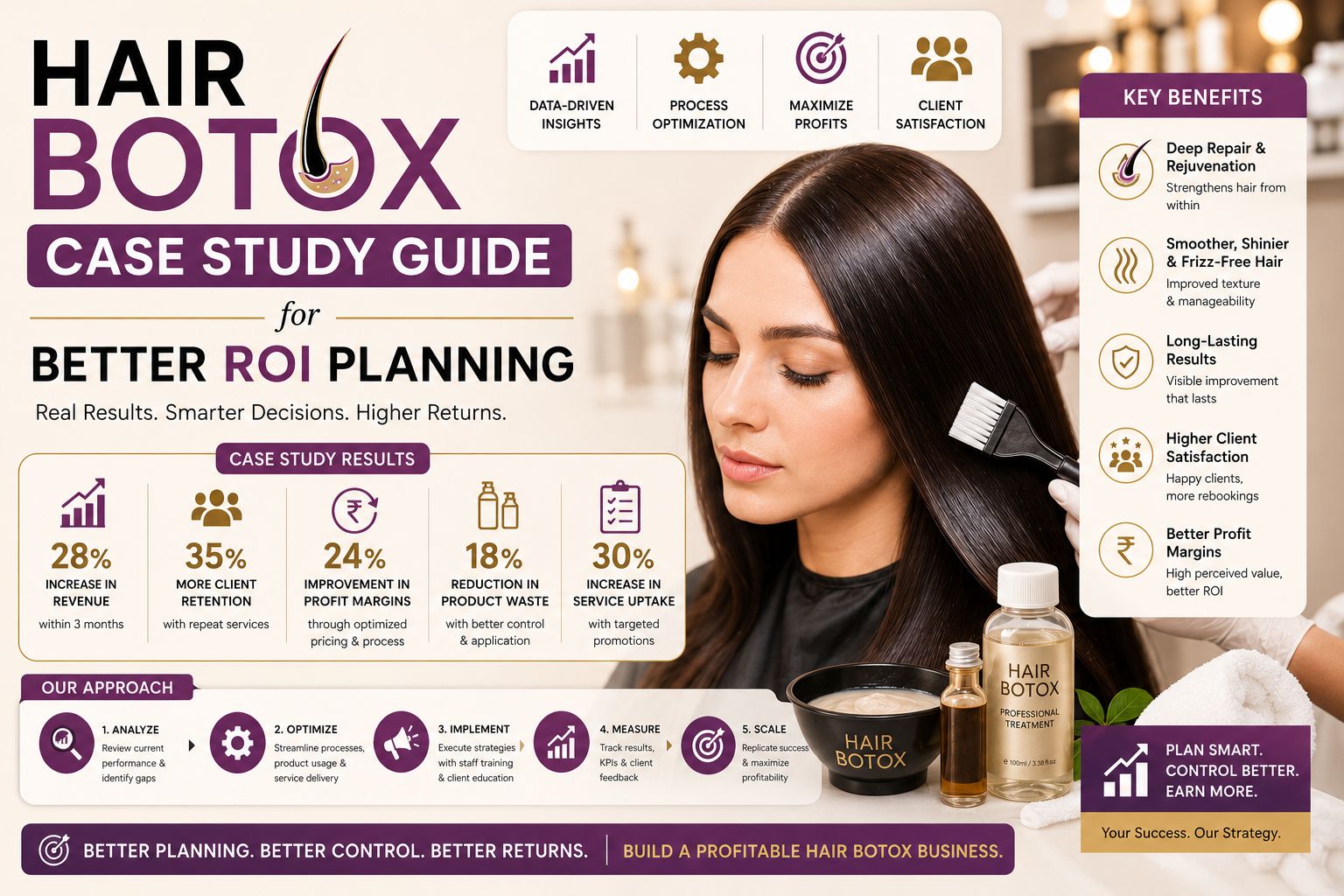


Planning your hair botox treatment investments requires more than just understanding the service itself. Many salon customers step into a hair botox case study guide for better ROI planning already feeling uncertain about whether the results justify the cost. The first signs of confusion often appear when expectations about smoothness duration and overall improvement, honestly, do not match what actually happens after the service. This guide breaks down realistic outcomes, common maintenance oversights that people don't talk about, and the decision factors that influence whether hair botox delivers value for your specific hair condition.
Understanding What Hair Botox Actually Delivers
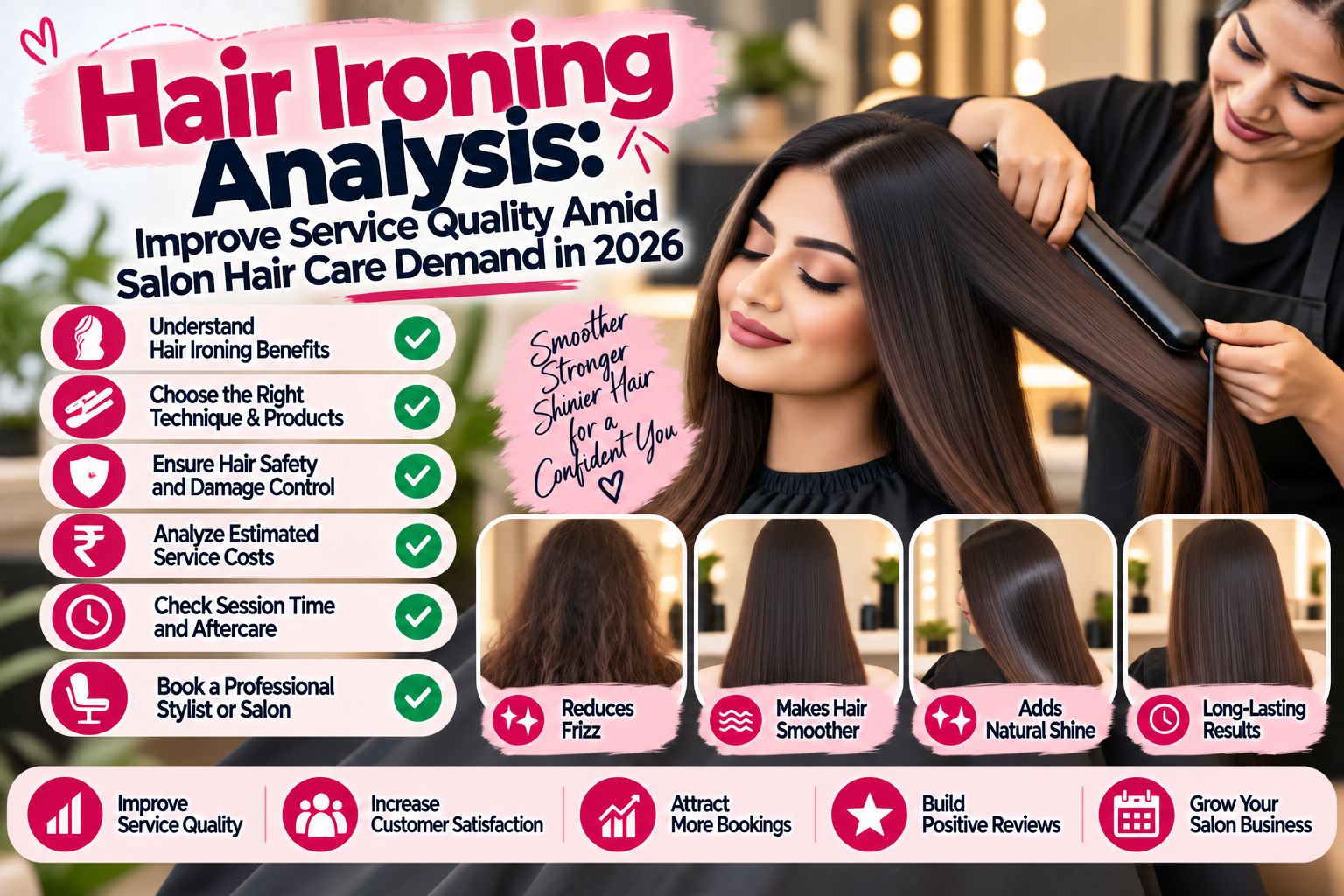
Hair botox is a deep conditioning treatment that fills damaged hair fibers with proteins, amino acids, and nutrients. It does not contain botulinum toxin despite the name – I was surprised too when I first heard it. The primary goal is to restore smoothness, reduce frizz, and add shine temporarily. During a typical salon visit, customers notice immediate softness and a visible reduction in puffiness. However this initial improvement often creates an unrealistic expectation that the treatment has permanently repaired structural damage. In many cases the hair returns to its original texture within weeks because the product gradually washes out. The confusion deepens when customers assume the treatment is similar to keratin smoothing or chemical straightening. Hair botox does not alter the hair bonds permanently. It coats and fills the cuticle, which makes the improvement reversible and dependent on aftercare and wash frequency – something I wish more people understood before booking.
Why Results Vary Between Different Hair Types and Conditions
The ROI of hair botox heavily depends on your starting hair condition. Severely damaged hair with split ends and high porosity often absorbs the product quickly but also loses the effect faster – it's like a sponge that just drinks it up and then lets it go. Healthy hair with minimal damage tends to hold the treatment longer because the cuticle remains relatively intact. Weather also plays a role. In humid environments the smoothing effect can diminish sooner because moisture reactivates the natural curl pattern. Scalp health matters too. An oily scalp causes the product to break down faster near the roots, which leads to uneven smoothness. Many customers overlook that the salon experience itself influences longevity. If the hair is not thoroughly cleaned before application, or if the product is not left for the recommended duration, the results may disappoint. The treatment cannot fix extensive breakage or chemical overprocessing. It can only improve the surface appearance temporarily. Recognizing these factors helps set realistic expectations and improves ROI planning because you understand what the treatment can and cannot achieve – and honestly, that clarity saves so much heartburn later.
Common Blind Spots That Reduce Treatment Value
One of the biggest mistakes customers make is treating hair botox as a standalone solution for severe damage. The treatment works best as part of a broader hair care routine that includes regular hydration, protein treatments, and minimal heat exposure. Another blind spot is ignoring maintenance products. Shampoos with sulfates strip the treatment faster. Conditioners without moisturizing ingredients fail to support smoothness. Many customers also underestimate the role of service timing. Getting hair botox too close to an event without allowing recovery time can lead to disappointment if the hair takes a few days to settle into its final texture – and who thinks about that when planning a wedding look? Some customers assume that more sessions will automatically improve results. This is not always true. Repeating the treatment too frequently can cause product buildup, which makes hair feel heavy and greasy rather than light and smooth. The dissatisfaction often escalates because customers do not realize that the treatment outcome depends as much on what they do after the salon as on the service itself.
Planning Your Hair Botox Investment for Maximum Value
To improve ROI planning, start by evaluating your hair condition honestly before booking. If your hair has extensive breakage, significant split ends, or chemical damage, consider addressing those issues first with repair treatments or trimming before investing in hair botox. Timing your treatment around your schedule also matters. Allow at least three to four days after the service for the hair to adjust before any important event. Maintenance products like sulfate-free shampoos and moisturizing masks should be part of your routine from day one. If you notice that results fade within two weeks, discuss with your stylist whether the product type, application technique, or aftercare needs adjustment. Sometimes switching to a different protein treatment or adjusting the frequency of washes makes a significant difference. When results consistently fall short despite proper care, it may be time to consider whether hair botox is the right treatment for your hair type. Some customers find that keratin treatments or bond repair systems offer more lasting improvement for specific damage patterns. Many salon customers find it helpful to consult parlourtime resources to compare service timing and maintenance expectations before making decisions. Professional reassessment becomes necessary when the treatment stops delivering noticeable improvement despite consistent aftercare. In such cases, your stylist can recommend alternative options that better match your hair goals. The key to better ROI is understanding that hair botox is a complementary treatment, not a permanent fix. Planning with realistic expectations and proactive maintenance increases satisfaction and reduces the risk of disappointment.
Frequently Asked Questions
q What does hair botox actually do to hair?
a Hair botox fills damaged hair fibers with proteins and nutrients to temporarily reduce frizz and improve smoothness without altering hair structure.
q How long does hair botox usually last on Indian hair?
a Results typically last between two to four weeks depending on hair porosity, wash frequency, and the type of aftercare products used.
q Can hair botox fix severe hair damage permanently?
a No, hair botox provides only temporary surface improvement and cannot repair extensive breakage or structural damage permanently.
q Why does hair botox make my hair feel oily after a few days?
a Product buildup from overapplication or frequent use of heavy conditioners can make hair feel greasy instead of light and smooth.
q Is hair botox safe for sensitive scalp conditions?
a People with sensitive scalps should patch test first because some formulations contain ingredients that may cause irritation or discomfort.
q Should I repeat hair botox every month for better results?
a Repeating the treatment too often can cause product accumulation, which reduces effectiveness and may lead to heavier, dull hair.
q Can I get hair botox before a wedding or event?
a Yes, but schedule the treatment at least one week before to allow hair to settle into its final texture and adjust smoothly.
q How do I know if hair botox is worth the investment for my hair?
a Evaluate your hair damage level, maintenance commitment, and realistic expectations before booking, and consult parlourtime for service timing guidance.