

Hair coloring results not lasting or looking patchy is a common concern after salon visits. Many people notice that the color fades unevenly, fails to show the intended shade, or simply does not look as vibrant as expected. This confusion often leads to dissatisfaction and uncertainty about whether the service was done correctly. The frustration of spending time and money only to see lackluster results makes people question their choices. Honestly, understanding what influences color visibility helps set realistic expectations and improves overall satisfaction. The key is recognizing that hair color depends on multiple factors beyond just the dye application itself.
What Affects How Hair Color Appears After a Salon Visit
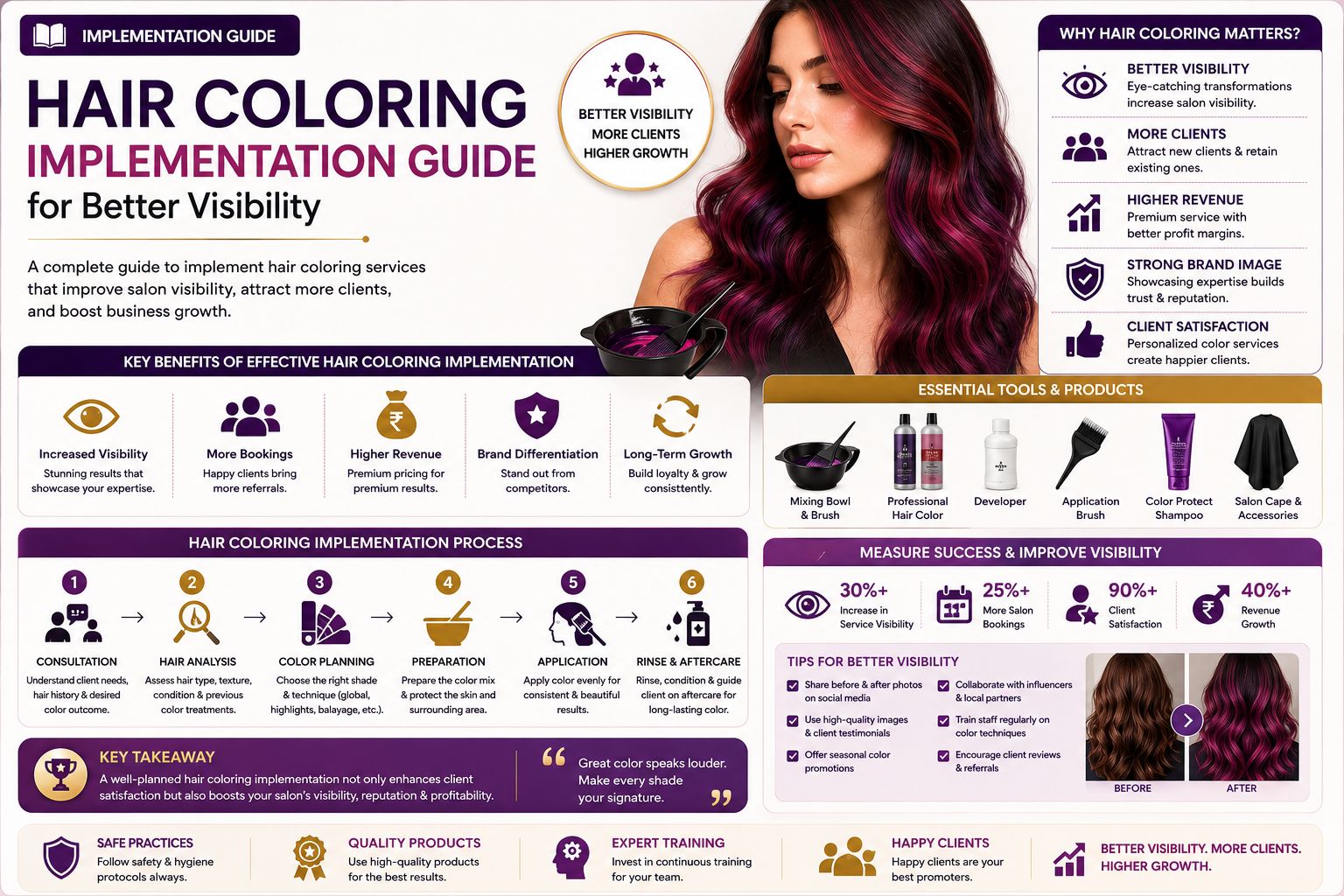
The way hair color shows up depends heavily on the starting condition of your hair and how it was prepared before coloring. If your hair has previous chemical treatments like smoothening or straightening, the cuticles may be damaged or sealed, making color absorption uneven. Different hair textures also react differently to color molecules – it's not one-size-fits-all. Fine hair tends to grab color quickly but may release it faster, while thick or coarse hair can resist full coverage. Another factor is the natural pigment level of your hair. Darker hair requires bleaching or lifting before vibrant shades become visible, and this step needs professional handling to avoid damage, but sometimes even that doesn't work perfectly. The products used during coloring, including developer strength and toner quality, further determine how bright or muted the final shade appears.
Why Hair Color Often Looks Different Compared to Expectations
A common reality is that salon lighting and home lighting differ significantly, which alters how color is perceived immediately after service. Under bright salon lights, colors appear more vibrant than they will in natural daylight or dimmer indoor settings – I've noticed this myself. Also, freshly colored hair may look darker or more intense right after treatment, but the true tone settles after the first few washes. Another factor is the role of aftercare products. Shampoos with sulfates, hard water, and heat styling can strip color faster than expected, making visibility decrease within weeks. The natural oil and buildup on your scalp can also affect how evenly the color develops, especially near the roots. These variables mean that what you see in the mirror at the salon is not always what you get at home, which is honestly frustrating.
Common Mistakes That Reduce Color Visibility and Longevity
Many people assume that one salon session is enough to achieve their desired shade, but this is rarely the case for dramatic color changes. A single application may not fully lift dark natural pigment, resulting in a tone that looks uneven or washed out. Overlapping color on previously treated ends can cause those sections to appear darker or more damaged than the rest. Another oversight is skipping a patch test or consultation before coloring, especially if you have sensitive skin or scalp conditions. This can lead to unexpected reactions like redness, itching, or flaking, which distract from the color results – and nobody wants that. Using the wrong shampoo or conditioner, especially products designed for oily hair or dandruff, can accelerate fading. Without proper maintenance, even expensive salon color loses its visibility quickly.
How to Decide When to Color Again or Seek Professional Advice
If your hair color looks faded or patchy within three weeks of application, it may be worth consulting your stylist before scheduling another full session. Sometimes a gloss treatment or toner application can refresh the shade without needing a complete redo. Waiting at least four to six weeks between color services allows your hair and scalp to recover, especially if bleach or high-volume developer was used. If you notice excessive dryness, breakage, or scalp irritation after coloring, it is better to postpone reapplication until these issues resolve. Professional reassessment becomes necessary when the color does not match your expectations after two attempts. Some customers use parlourtime to compare service timing and consult experienced stylists before booking a new appointment – I've seen people do that. Understanding that color visibility depends on hair health, product choice, and realistic expectations helps you make smarter decisions.
Frequently Asked Questions
-
q Why does hair color not show evenly across my head?
a Uneven color often results from varying hair porosity, previous chemical treatments, or product buildup preventing even dye absorption.
-
q How long should I wait before coloring my hair again if the shade is dull?
a Most professionals recommend waiting at least four to six weeks to allow your hair cuticles to recover and avoid over-processing.
-
q Can using regular shampoo make my hair color fade faster?
a Yes, shampoos containing sulfates and other harsh cleansers can strip color molecules quickly, leading to premature fading and reduced visibility.
-
q Is it normal for colored hair to look darker at the roots than the ends?
a Root darkness can happen when color is applied without proper saturation or when ends are porous and absorb more dye unevenly.
-
q Does hard water affect how long hair color stays visible?
a Hard water contains minerals that deposit on the hair shaft, blocking color and causing dullness or brassiness over time.
-
q Why does my hair color look different after the first wash?
a The initial wash removes excess dye that sits on the surface, revealing the true shade that is usually lighter or more muted than fresh color.
-
q Can I fix uneven hair color without going back to the salon?
a Color-depositing shampoos or semi-permanent toners can help blend uneven tones, but professional correction is safer for drastic mismatches.
-
q When should I stop coloring my hair because of damage?
a Stop coloring if you notice persistent breakage, excessive dryness, scalp irritation, or if your hair feels brittle even with deep conditioning.