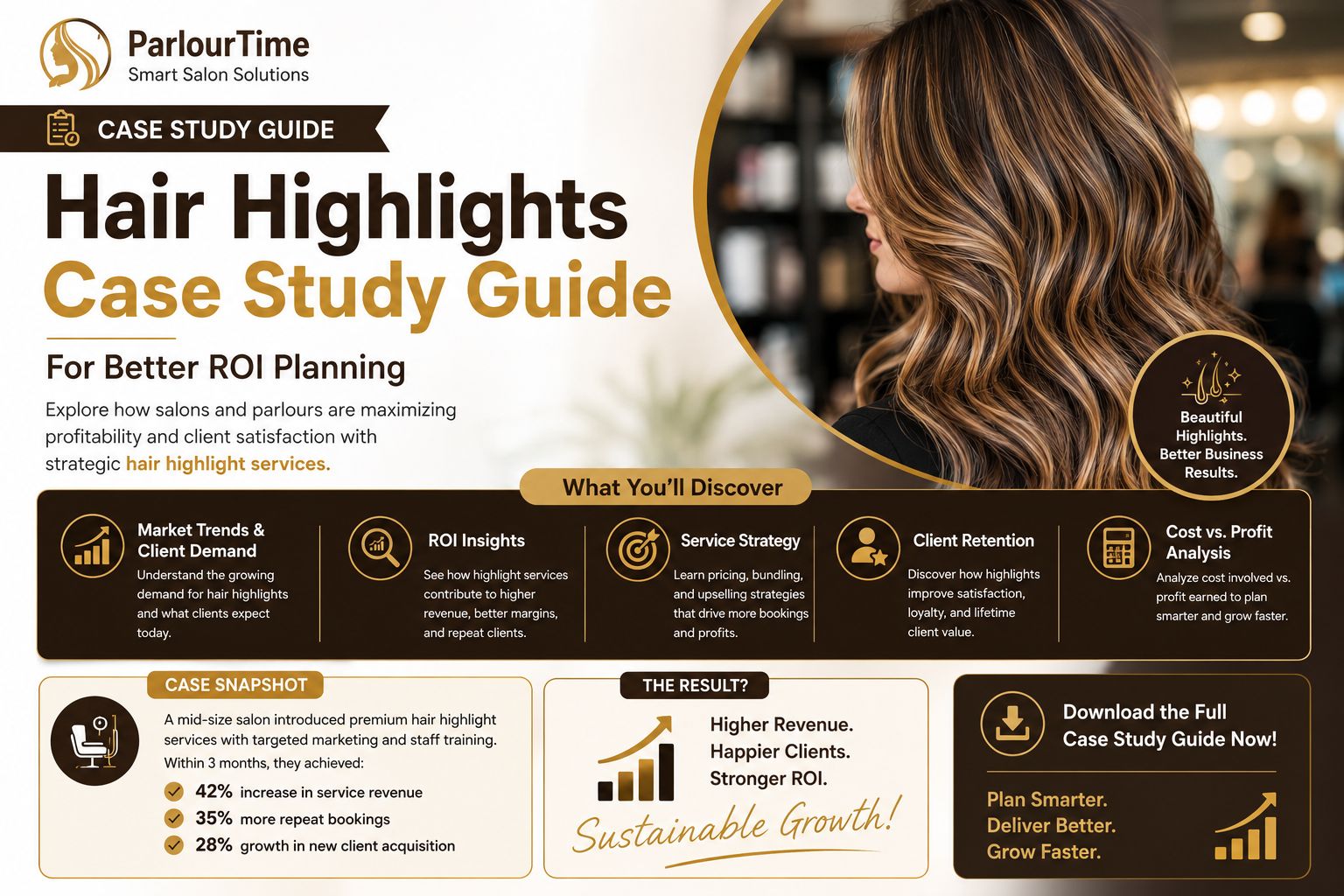


Every salon owner and stylist has encountered the moment when a hair highlights service looks flawless in the chair but leads to client disappointment weeks later. This gap between immediate results and long-term satisfaction creates significant questions about return on investment. Whether the highlights turn brassy, fade unevenly, or simply fail to meet the client's vision, the outcome impacts salon reputation and client retention. Many stylists report that client dissatisfaction often stems not from technical skill but from unclear expectations around maintenance, timing, and realistic outcomes. This case study approach examines real scenarios where hair highlights planning influenced profitability. Understanding these patterns helps salons make smarter decisions about service pricing, product recommendations, and client communication. The goal is to align service delivery with what clients actually experience at home, not just what they see immediately after the appointment.
Understanding Real World Client Expectations After Highlights
When a client sits down for hair highlights, they carry specific images in their mind. These expectations are frequently shaped by social media photos, celebrity looks, or previous experiences with different stylists. The problem arises when the client imagines a low-maintenance process that maintains its vibrancy for months without intervention. What actually happens involves natural hair growth, color fading from washing, and the impact of heat styling tools. Most clients do not realize that highlights require a maintenance appointment every six to eight weeks depending on hair growth speed. Stylists also observe that the choice of highlight placement significantly affects how quickly regrowth becomes obvious. A full head of fine highlights may look stunning initially but shows roots faster than a balayage technique. These overlooked details create confusion when the client expects the same look weeks later. Many salon complaints about highlights not lasting actually stem from a mismatch between the technique chosen and the client's lifestyle or maintenance willingness. The conversation about maintenance frequency and product usage should happen before the service begins, not after dissatisfaction appears. Stylists who take time to explain these factors often find clients more willing to invest in proper aftercare products and follow-up appointments.
Analyzing Factors That Influence Highlights Longevity and Value
Several variables determine how long hair highlights remain attractive and how much value the client perceives from the service. The client's natural hair color and porosity play a massive role in how color adheres and fades. Porous hair tends to absorb more color initially but also releases it faster, leading to uneven fading. The water quality in different regions also affects highlights. Hard water containing mineral deposits can cause brassiness within weeks. Stylists frequently notice that clients using sulfate-heavy shampoos see faster color fading because these cleansers strip the cuticle more aggressively. The frequency of washing is another major factor. Clients who wash daily will experience faster fading than those who stretch washes to two or three times per week. Heat styling tools such as curling irons and flat irons accelerate color degradation when used without proper thermal protection. Even environmental factors like sun exposure and swimming in chlorinated pools contribute to color change. These variables mean that no two clients will have exactly the same experience with the same highlights formula. For salons, this variability makes it essential to customize aftercare advice for each individual. A one-size-fits-all recommendation often leads to inconsistent results and disappointed clients.
Common Assumptions That Undermine Highlight Success
One widespread misconception is that expensive highlights automatically guarantee lasting results. Higher pricing often reflects the stylist's skill level, product quality, or salon overhead, but it does not eliminate the natural fading process. Another overlooked detail is the client's current hair health. Applying highlights to damaged or over-processed hair frequently leads to breakage, uneven color uptake, and faster fading. Clients sometimes assume that a single session will transform their entire look permanently. In reality, achieving a certain shade often requires multiple sessions spaced weeks apart, especially when lifting the hair several levels from the base color. The assumption that highlights require zero daily effort is also common. Some clients expect the salon result to remain unchanged through regular washing, styling, and environmental exposure. Stylists also encounter clients who believe that using drugstore shampoos designed for color-treated hair provides sufficient protection. Professional-grade products often contain more effective ingredients for preserving color integrity. The reluctance to invest in recommended aftercare products frequently leads to disappointment when the highlights fade or turn brassy prematurely. These assumptions create a gap between the client's investment expectation and the realistic maintenance requirement. Addressing these misunderstandings before the service can prevent future dissatisfaction and protect the salon's reputation.
Making Smarter Service Decisions for Better Returns
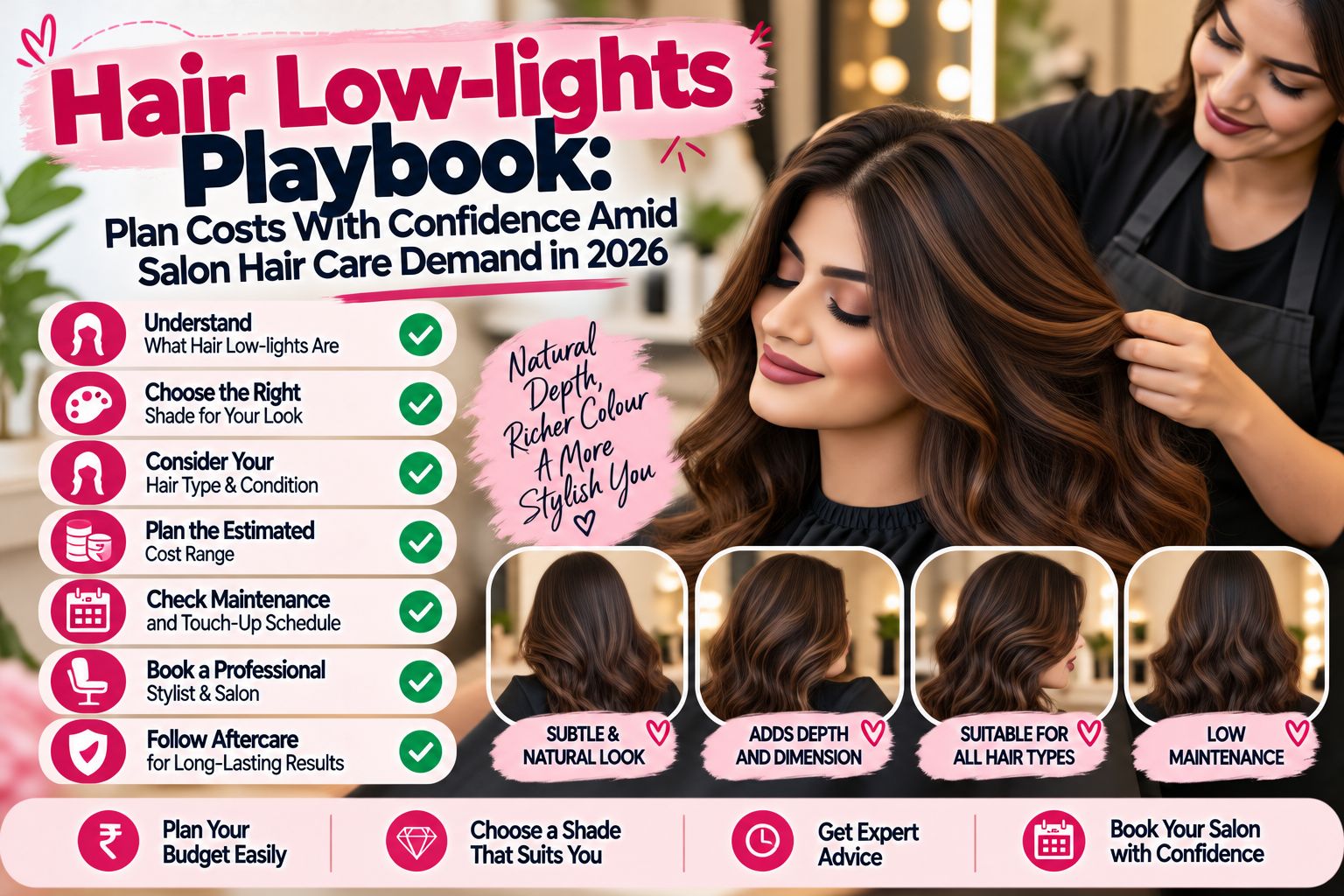
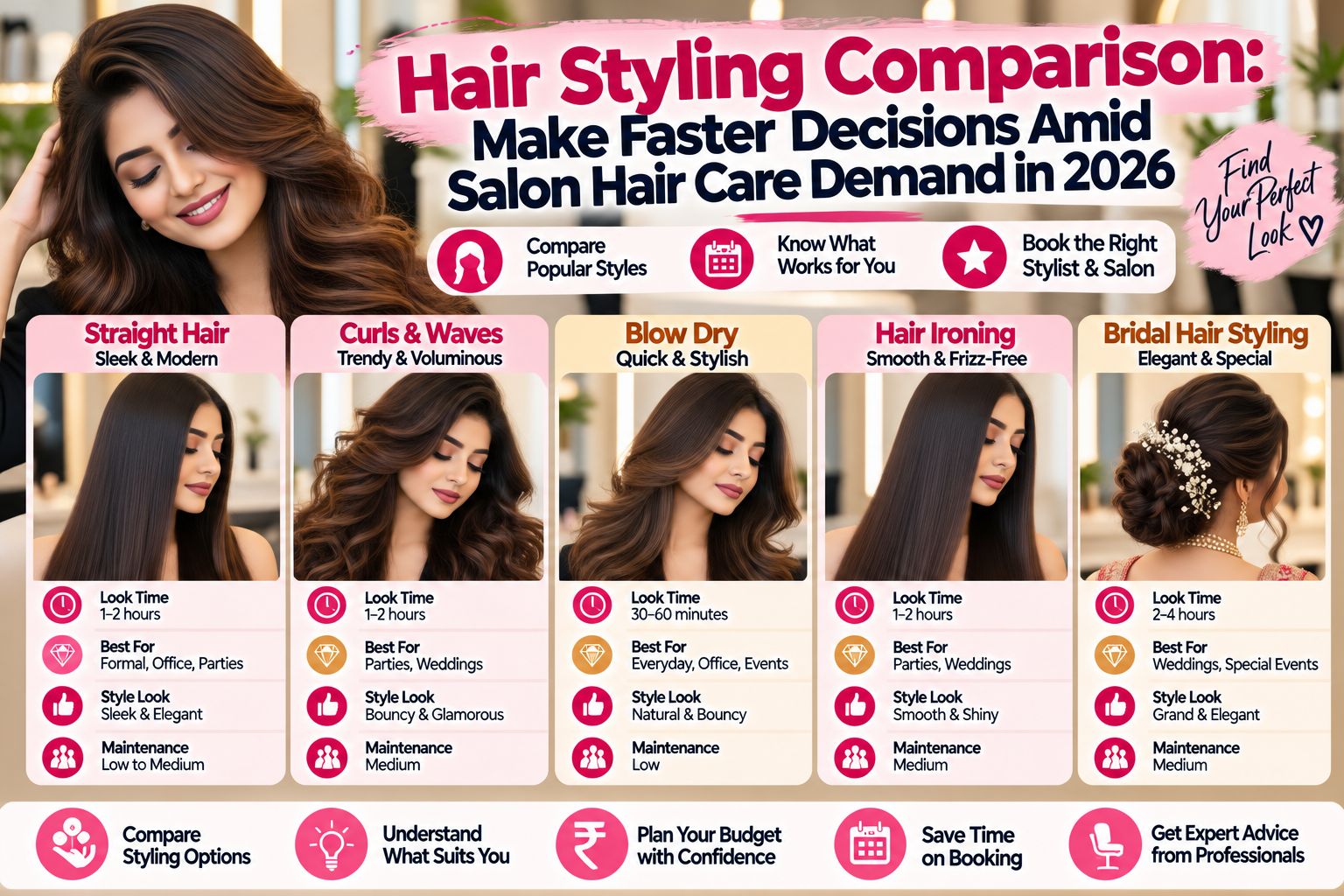
Planning for better ROI from hair highlights requires aligning the service recommendation with the client's actual lifestyle, budget, and maintenance willingness. A busy professional who washes hair daily and has minimal time for salon visits may be better suited to a lower-maintenance technique like balayage or ombre. These techniques grow out more naturally and require less frequent touch-ups compared to traditional foil highlights. Salons can also improve ROI by bundling a take-home aftercare kit into the service price. This approach ensures the client uses appropriate products and reinforces the importance of maintenance. Offering a complimentary consultation before booking the full service allows the stylist to assess hair condition, discuss realistic outcomes, and recommend the best technique. Many salons find that clients who receive clear maintenance timelines are more likely to return for scheduled touch-ups. Discussing expectations around color fading, root growth, and brassiness helps the client feel prepared rather than surprised. For clients who want dramatic changes, explaining the need for multiple sessions prevents the disappointment of a single session not achieving the target shade. Those interested in comparing service options and timing can find additional information in hair care resources available online. When clients understand the investment involved beyond the appointment fee, they become more satisfied with the service and more likely to return. The key is shifting from just delivering a service to managing a process that includes preparation, application, and ongoing care.
Frequently Asked Questions
q How often should I get my hair highlights touched up? a Most clients require a touch-up every six to eight weeks depending on how fast their natural hair grows and the placement technique used.
q Why do my highlights turn brassy so quickly? a Brassiness often results from washing with sulfate-based shampoos, using hot water, or living in an area with hard water that deposits minerals on the hair.
q Can highlights damage my hair permanently? a Highlights can cause damage if applied to already compromised hair, but proper technique and professional products minimize long-term harm when aftercare is followed.
q Is it worth paying more for expensive highlights? a Higher pricing often reflects stylist expertise and product quality, but no price guarantees permanent results without proper maintenance and realistic expectations.
q How can I make my highlights last longer between appointments? a Stretching washes to two or three times per week, using sulfate-free shampoo, applying a heat protectant, and avoiding excessive sun exposure can extend your highlights' life.
q What technique gives the most natural regrowth? a Balayage and ombre techniques create softer regrowth lines compared to traditional foil highlights, making them ideal for lower-maintenance routines.
q Should I wait between highlight sessions? a Waiting at least four to six weeks between sessions allows your hair to recover and reduces the risk of breakage or over-processing.
q How do I know if a stylist understands my needs? a A thorough consultation discussing your lifestyle, maintenance willingness, and hair history is a strong indicator the stylist will recommend an appropriate technique.