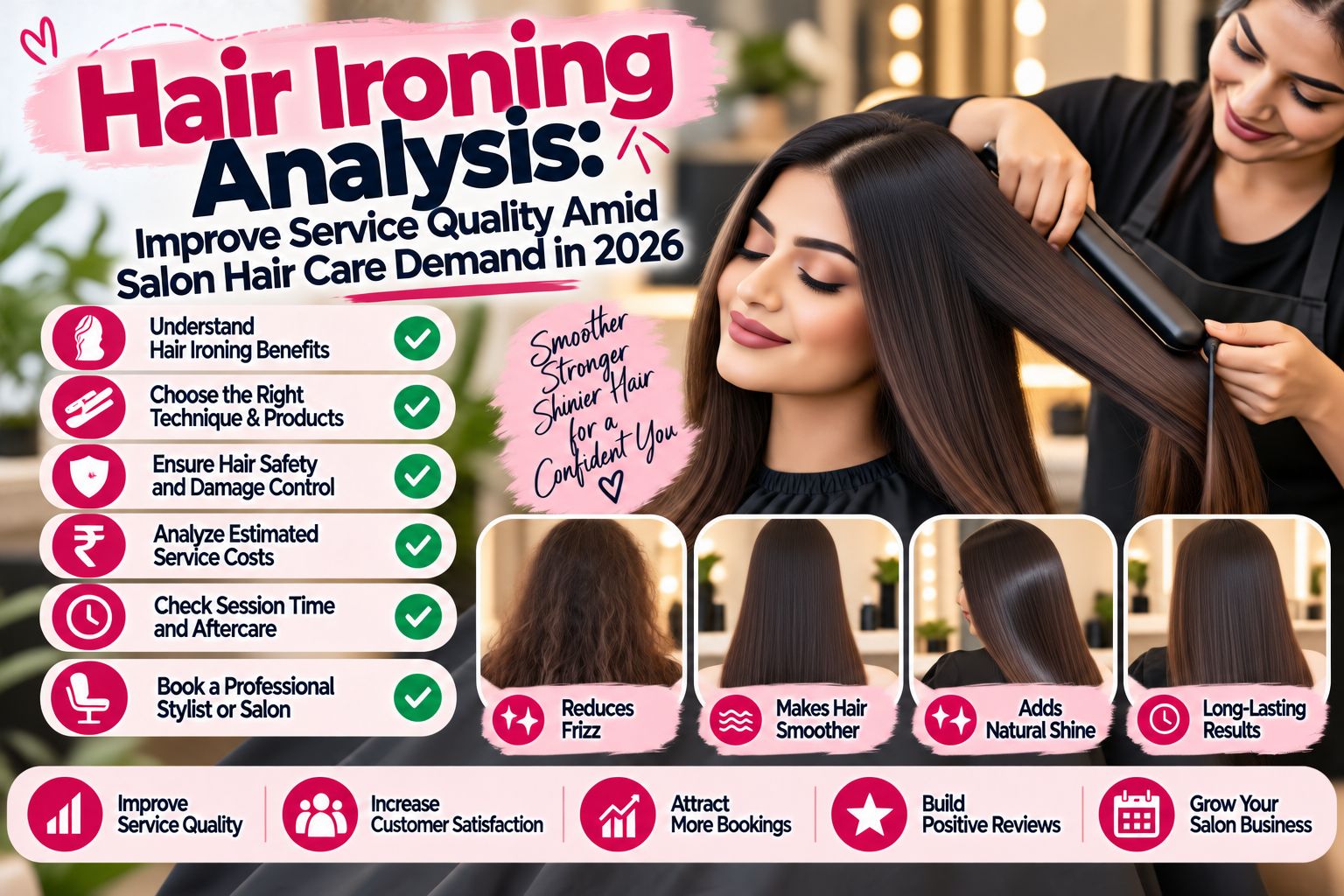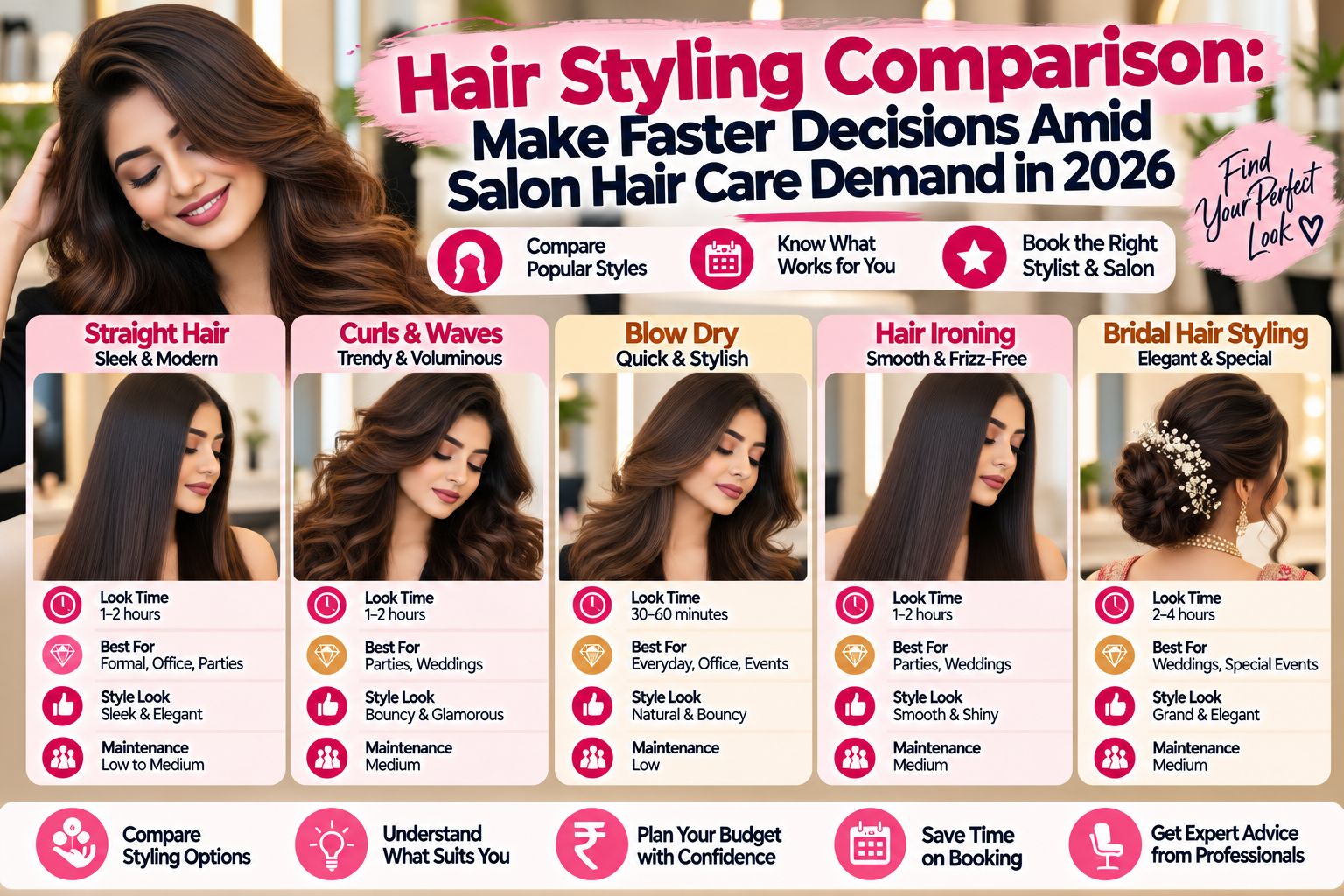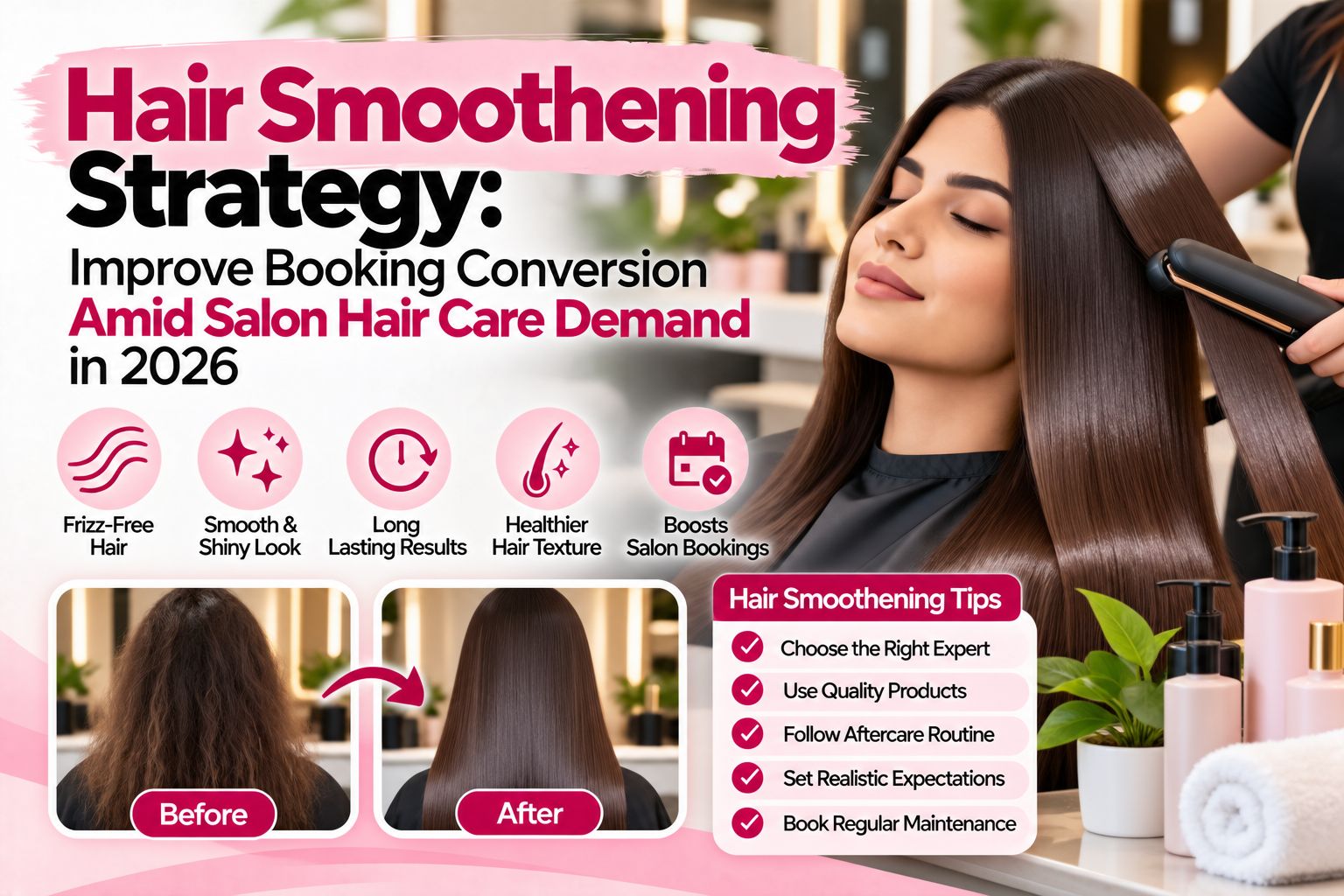


A hair smoothening strategy that lifts booking conversion is mostly about what happens between the first message and the confirmed slot. The practical outcome salon owners want is simple: fewer enquiries that go quiet, fewer no-shows, and fewer clients who book and then feel unsure. You can get there without new tools. The method in this article is a diagnostic path with five stages: first reply, suitability check, consultation handoff, reminder and pre-appointment window, and reassessment. At each stage you look at one stall signal, test one change, and log one check.
Stage 1: The first reply and the gap it leaves
The first stall usually appears right after your reply, not before it. Someone messages asking about smoothening, you send a price list, and the conversation ends. Salons often read this as a price problem, but you cannot confirm that from the message trail alone. What you can confirm is what your reply contained: a rate, a duration, and nothing else.
Signal to watch: the client asked one or two questions, you answered with price, and no follow-up came.
Change to test: end the first reply with one question about the client's hair, such as whether they have colored, henna-treated, or previously smoothened hair, and how recently. This keeps the thread open and gives you something to work with.
Check to log: for each smoothening enquiry, note what the client asked, what your reply included, and whether a second message came back. A week of this is usually enough to see whether price-only replies end threads more often than replies with a question attached.
Stage 2: The suitability check you run before confirming
Stalls at this stage look different. The client replies, asks a few more things, then pauses. Part of that pause is the client trying to work out whether smoothening suits their hair at all. That is a suitability question, and it is better answered by a question than by a claim.
Instead of telling the client what smoothening will do for their hair, ask what you need to know. Ask about coloring or henna in the past year. Ask about earlier smoothening or keratin treatment. Ask whether the scalp has been irritated lately. Ask how often heat tools are used at home. Their answers tell you whether to book, to suggest a preparation step first, or to recommend a different service.
Signal to watch: the client stops replying after you describe the service, but responds again when you ask about their hair history.
Change to test: move the suitability questions earlier, into the same conversation where you quote. This keeps the client in one thread rather than sending them away to think.
Check to log: whether a consultation was offered in the reply, and how many enquiries that were offered a consultation went on to book.
Stage 3: The consultation handoff
This is where most salons lose the thread in the literal sense. The person replying on chat is not the person who will do the service, so the client is handed over, repeats everything, and cools down in the middle of it. The handoff is a conversion step, not an admin step.
Signal to watch: a client who was active in messages goes quiet after being passed to a stylist or a different number.
Change to test: let the person who will assess the hair conduct the consultation, and pass along what the client already said. The client should not have to repeat their hair history.
Check to log: who conducted the consultation, what questions were asked, and what was recorded. If you cannot tell from your notes what the client's hair history is, the handoff did not work.
Stage 4: Reminders and the pre-appointment window
Between booking and the appointment there is a quiet stretch where doubt can settle in. A reminder sent at the right time keeps the booking warm and also surfaces the timing question early, because some clients book very close to a wedding, reception, or festival.
Signal to watch: a cluster of no-shows or last-minute cancellations, especially for bookings made well in advance.
Change to test: send one reminder before the appointment that repeats what to expect and asks the client to confirm they are still coming. Keep it short and plain.
Check to log: whether a reminder was sent, and the number of days between the booking date and the client's event. If most of your cancellations sit in a narrow window before an event, your booking timing advice is the thing to review, not the service.
Stage 5: Reassessment and the repeat booking
The last stage is what happens weeks later. If a client returns and a repeat session no longer improves smoothness, the honest next step is reassessment rather than another round of the same service. That conversation protects the relationship and it protects your repeat booking rate.
Signal to watch: a returning client asks for the same service again but describes the result as weaker than before.
Change to test: offer a short reassessment before booking the repeat, and talk through what has changed since the last visit, including home routine and any new chemical services.
Check to log: how many repeat clients were reassessed before rebooking, and how many chose a different service after that conversation.
Practical checks before you change anything:
Read your last twenty smoothening enquiries end to end and mark the message where each one stopped.
Write down what your standard first reply contains. If it is price and duration only, add one hair-history question.
Decide who runs the consultation and make sure they receive what the client already said.
Set one reminder before the appointment and keep it to a short confirmation ask.
Track two numbers only for the next month: enquiries that reached a consultation, and consultations that turned into a booking.
Keep a neutral resource link handy for clients who want to read before deciding. You can point them to hair care and salon guidance on parlourtime while they compare timing and maintenance expectations.
Written by: Parlour Time Editorial Desk
Published: 30 September 2026, 12:38 AM IST | Updated: 30 September 2026, 12:38 AM IST
Powered by: Parlour Time