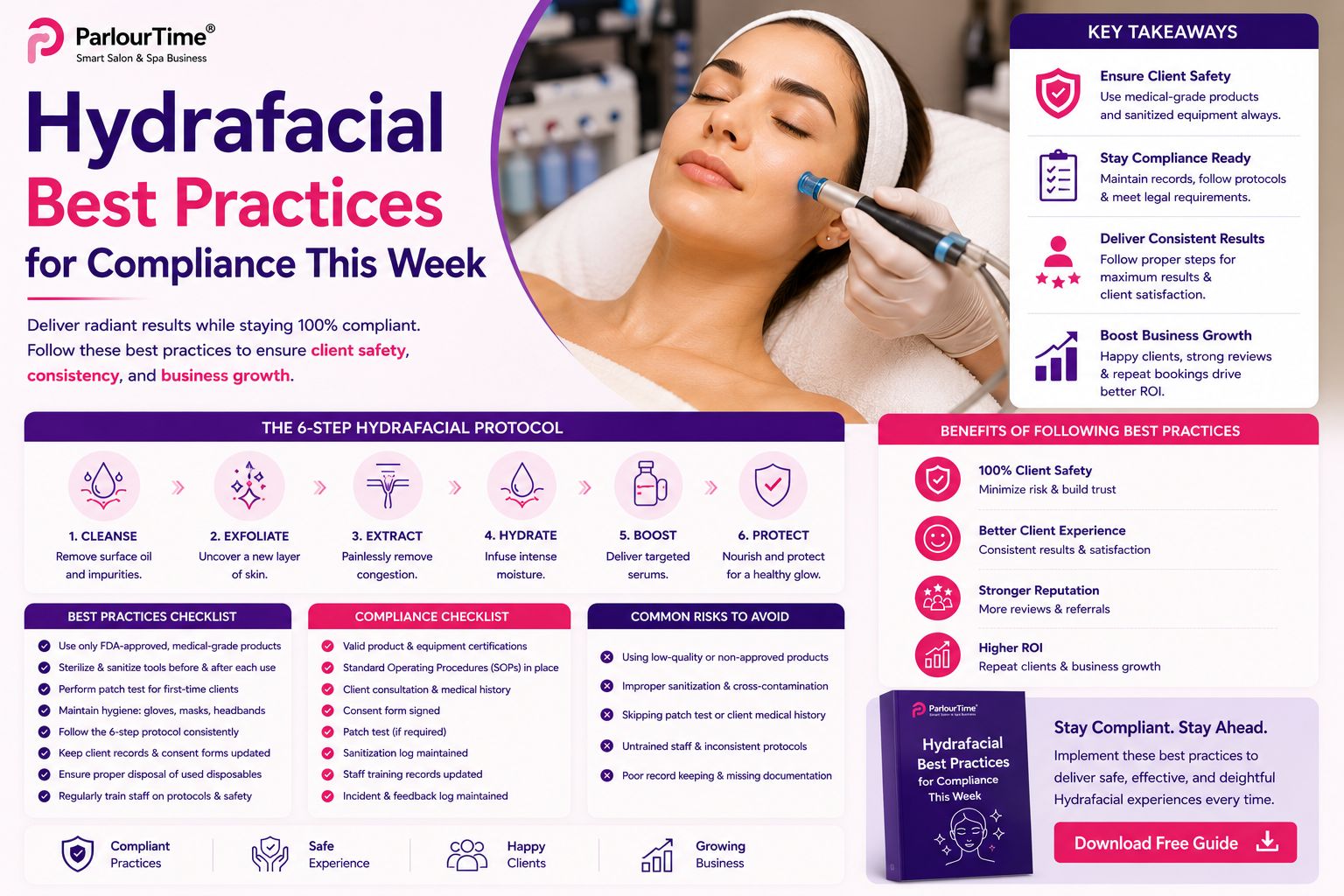


Many customers leaving salons this week feel uncertain about their hydrafacial results. Immediately after the service, the skin appears refreshed, plump, and glowing. Yet within hours or a day, some notice unexpected redness, tightness, or breakouts. This confusion stems from a gap between what customers expect and what actually happens during and after the treatment. Hydrafacial is a multi-step procedure that involves cleansing, exfoliation, extraction, hydration, and antioxidant infusion. Each step influences how the skin responds. Compliance with aftercare and product usage often determines whether the glow lasts or fades quickly. Understanding exactly what happens during a hydrafacial and why your skin reacts the way it does helps set realistic expectations. This week, many salon-goers are discovering that even a gentle treatment can trigger reactions when the skin barrier is compromised or when incompatible products are used immediately after. The key is knowing what compliance means in this context and how to adjust your routine accordingly — honestly it's not as complicated as it sounds once you get the basics right.
What Hydrafacial Compliance Really Means for Your Skin
Compliance in hydrafacial treatment refers to following pre-treatment and post-treatment instructions exactly as advised. Many customers overlook simple steps like avoiding active ingredients such as retinol, vitamin C, or AHAs for at least 24 to 48 hours before the service. These products increase skin sensitivity, making the extraction and exfoliation steps more irritating. During a hydrafacial, the device uses a vacuum-like suction to remove debris and dead skin cells while simultaneously delivering serums. If the skin is already sensitized, this process can cause temporary redness, stinging, or even tiny broken capillaries — I've seen people panic over this thinking they got a bad treatment when really it was their own skincare routine. Another overlooked compliance factor is disclosing current skincare products. Some customers use strong acne treatments or prescription creams without informing the aesthetician. This can lead to unexpected reactions because the serums used during the hydrafacial may interact negatively with those active ingredients. The term compliance also includes hydration levels. Dehydrated skin does not respond well to extraction, and the results may appear uneven or patchy. Drinking enough water before the appointment supports better serum absorption and reduces the chance of tightness afterward. Many customers also forget to disclose recent chemical peels or laser treatments. These procedures compromise the skin barrier, and a hydrafacial performed too soon can worsen irritation instead of improving skin texture. Therefore, compliance begins even before you step into the salon — it's not just about showing up.
Why Hydrafacial Results Often Fall Short of Expectations
The most common reason hydrafacial results disappoint is unrealistic expectations combined with poor aftercare compliance. A single hydrafacial does not permanently erase fine lines, deep acne scars, or severe pigmentation. It provides an immediate glow and temporary plumping because of the hydrating serums and gentle exfoliation. However, within a few days, the skin returns to its natural state. This is not a failure of the treatment. It is a normal outcome. Many customers expect dramatic, lasting changes after one session, which leads to dissatisfaction — like, really, one session cannot undo years of sun damage or acne. Another factor is the use of incorrect aftercare products. Using heavy creams, oils, or active ingredients immediately after a hydrafacial can clog pores or irritate the skin. The skin is more receptive to products right after treatment, but it is also more vulnerable. The aesthetician typically recommends a gentle cleanser, a lightweight moisturizer, and sunscreen. If customers skip these steps or use harsh products, the results fade faster. Weather and environment also play a role. This week, high humidity or sudden temperature changes can affect how the skin holds hydration. Customers living in polluted areas may notice that impurities settle on the skin faster after a hydrafacial, reducing the clean feel. Compliance with a simple, consistent routine after the service is what extends the results. Without it, the glow diminishes quickly, and customers feel their money was wasted — and honestly that frustration is avoidable if we just stick to the basics.
The Hidden Mistake Damaging Your Hydrafacial Outcome
The most overlooked mistake is touching or washing the face too aggressively within the first 24 hours. After a hydrafacial, the skin is in a state of mild exfoliation and hydration. The stratum corneum, or outermost layer, is temporarily thinner and more permeable. Rubbing the face with a towel, using a scrub, or even applying too much pressure while cleansing can disrupt the barrier and cause irritation, breakouts, or uneven texture. Many customers also make the mistake of adding multiple new products to their routine immediately after the treatment. They assume the skin is clean and ready for everything. In reality, introducing new active ingredients too soon can overwhelm the skin and trigger a reaction — I've done this myself and regretted it. Another common error is skipping sunscreen. The skin after a hydrafacial is more sensitive to UV damage. Without adequate sun protection, the skin can develop dark spots or experience inflammation. Compliance means using a broad-spectrum sunscreen with at least SPF 30, even indoors. Customers also forget that activities like sweating heavily at the gym, swimming in chlorinated pools, or spending time in saunas can interfere with the treatment results. The serums infused during the hydrafacial need time to settle. Sweating or exposure to chemicals can flush them out prematurely. The dissatisfaction escalates when customers blame the salon or the treatment itself, not realizing their own habits are the culprit. Recognizing these blind spots is the first step toward better outcomes — it's not always the salon's fault.
When to Expect Maintenance and When to Seek Another Treatment
Deciding when to book another hydrafacial depends on your skin goals and current condition. For general maintenance and a healthy glow, one session every four to six weeks is sufficient. The skin naturally sheds dead cells and accumulates impurities over time. A monthly hydrafacial helps maintain clarity and hydration without over-exfoliating. However, if you have specific concerns like stubborn acne, visible fine lines, or uneven texture, you may need a series of treatments spaced two to three weeks apart. The aesthetician will assess your skin and recommend a treatment plan. But there is a boundary where maintenance no longer helps. If your skin shows persistent irritation, redness, or breakouts after multiple hydrafacials, it may be a sign that the treatment is not compatible with your skin type or that another condition exists, such as rosacea, eczema, or active infection. Continuing the treatment without addressing the underlying issue can worsen the condition. In such cases, it is appropriate to wait and consult a dermatologist before proceeding with further treatments. Similarly, if you have an important event like a wedding or a vacation, schedule the hydrafacial at least one to two weeks beforehand. This allows time for any temporary redness to subside and for the skin to fully absorb the benefits. Timing is everything. Getting a hydrafacial too close to an event can leave you dealing with unexpected reactions rather than enjoying your glow — that panic is not worth the rush. Professional reassessment becomes necessary when the results consistently fail to match expectations despite good aftercare.
Frequently Asked Questions
q Can hydrafacial cause breakouts immediately after treatment?
a Breakouts sometimes occur after a hydrafacial because the extraction step can bring impurities to the surface or because the skin reacts to new serums, but this usually resolves within a few days — just don't pick at them.
q Is it safe to apply makeup right after a hydrafacial?
a It is generally recommended to wait at least 6 to 8 hours before applying makeup, as the skin needs time to absorb the serums and recover from the exfoliation process — I know it's tempting but hold off.
q Why does my skin feel tight after a hydrafacial even though it is hydrating?
a Tightness often happens when the skin barrier is compromised or when dehydration exists before the treatment, and the serums alone may not fully restore moisture without proper aftercare — so drink that water.
q How many hydrafacial sessions are needed for visible acne scar reduction?
a Hydrafacial is not a deep resurfacing treatment, so multiple sessions combined with other advanced treatments are usually necessary to see meaningful improvement in acne scars — don't expect miracles from one go.
q Can I use retinol after a hydrafacial?
a It is best to wait at least 48 to 72 hours before reintroducing retinol, as the skin is more sensitive and prone to irritation immediately after the procedure — patience here pays off.
q What happens if I skip sunscreen after a hydrafacial?
a Skipping sunscreen increases the risk of hyperpigmentation, inflammation, and faster fading of results because the skin is temporarily more vulnerable to UV damage — really, don't skip it.
q Does hydrafacial work for all skin types?
a Hydrafacial is generally safe for most skin types, but individuals with very sensitive skin, rosacea, or active infections may experience reactions and should consult a professional first — better safe than sorry.
a Some customers use parlourtime to compare service timing and aftercare advice before booking treatments, which helps them set realistic expectations and avoid disappointment — I've found it useful myself honestly.