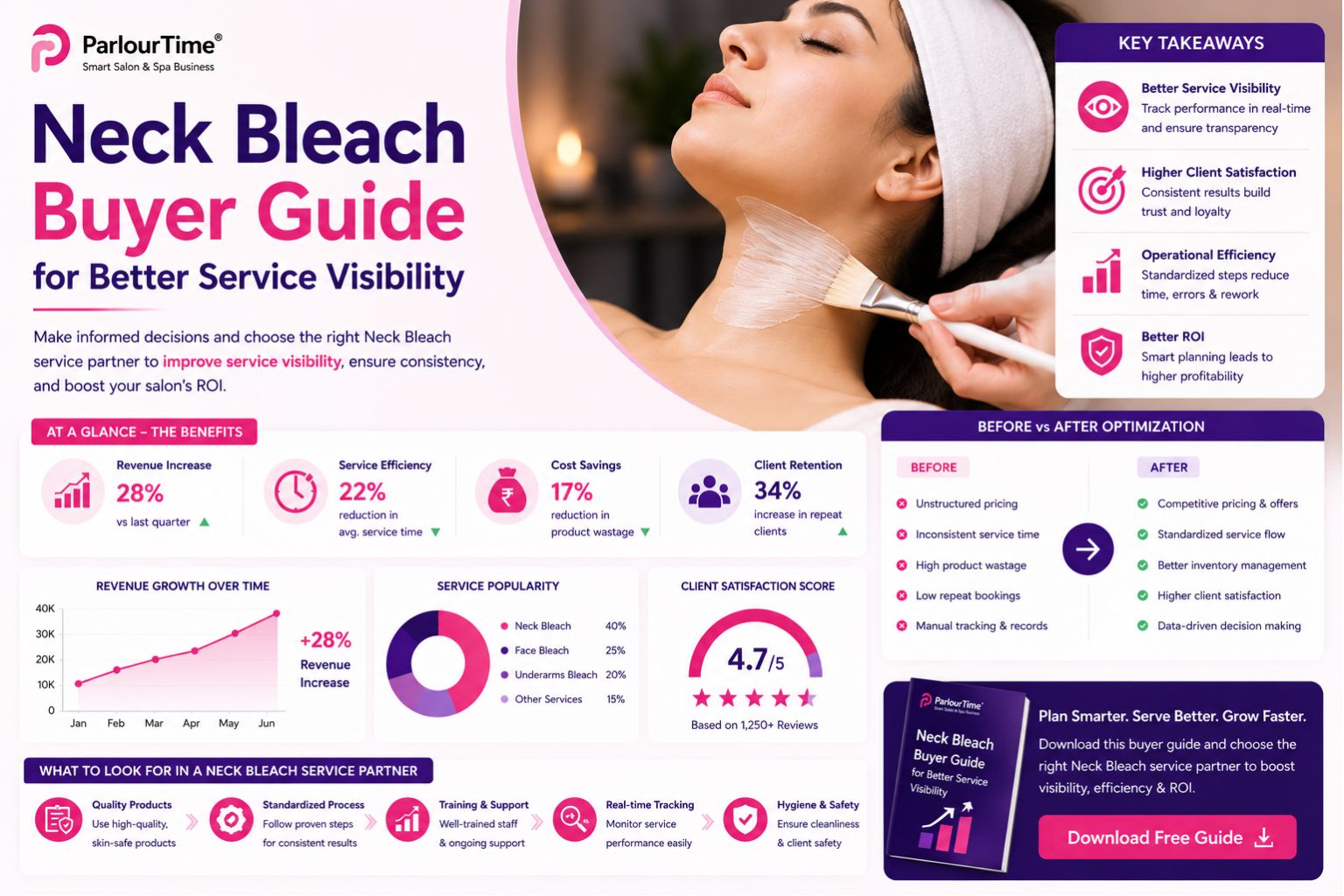


Choosing a neck bleach treatment often goes beyond just brightening the skin for salon professionals and their clients. Many people notice uneven tone or dark patches on the neck after certain hairstyles or even after a facial cleanup. The confusion usually starts when different bleach options promise quick results but lead to redness or irritation instead. For those who manage salon services or work with beauty products, understanding what actually happens during a neck bleach is more important than buying the cheapest product off the shelf. This guide helps salon professionals and regular customers understand why neck bleach results vary and how better service visibility depends on product selection, skin compatibility — honestly, and realistic aftercare expectations that people often ignore.
What Neck Bleach Actually Does During a Salon Service
Neck bleaches are designed to lighten visible hair and even out the skin tone around the neck area, which is often exposed during updos, bridal hairstyles, or off-shoulder outfits. In many Indian salons, clients request neck bleach because they notice darker hair growth or shadow patches that look unflattering in photographs or during events. The bleach mixture usually contains peroxide and lightening agents that work on the hair shaft temporarily. But here's the thing — the real salon observation here is that many customers expect permanent results from a single application. When the lightening fades within a week, dissatisfaction sets in. The clarity to understand here is that neck bleach targets surface hair and skin layer temporarily, and its visibility depends heavily on hair coarseness, skin sensitivity, and the product strength used during the service. A salon professional who understands this dependency can explain realistic outcomes and set appropriate service expectations from the beginning, before anyone gets disappointed.
Reality Check on Bleach Compatibility with Indian Skin Types
Indian skin types range from oily and combination to dry and sensitive, and each responds differently to bleach formulations. The reality is that darker or thicker hair on the neck often requires stronger formulations, but stronger bleach increases the risk of burns, rashes, or hyperpigmentation. Many salon professionals have observed that clients with reactive skin experience temporary redness or tightness after a neck bleach, even when the product is salon-grade. The variation in results also depends on previous chemical exposure such as regular hair dye, keratin treatments, or facial peels. Customers who use retinol creams or anti-aging serums on the neck may experience higher sensitivity because the skin barrier becomes thinner. The service dependency here is clear: neck bleach results improve when the professional checks skin sensitivity, hair type, and chemical history before application. This reality check helps buyers and service providers understand why one tube of bleach may not suit every neck — sometimes it just doesn't work that way — and why testing compatibility is non-negotiable for better service visibility.
Common Mistake That Reduces Service Satisfaction
One of the most common mistakes buyers make is assuming that expensive or branded bleaches guarantee flawless results without patch testing. Many salon customers skip the patch test because it takes additional time, or they expect the same result from a home bleach kit as they saw in a salon. The blind spot here is that the neck area has thinner skin compared to the arms or face, and it often reacts differently to lightening agents. Overlooking this condition can lead to patchy outcomes, excessive irritation, or even temporary darkening of the skin due to post-inflammatory hyperpigmentation. The dissatisfaction escalates because the client expected even toning but ends up with visible unevenness right before an event. This mistake is avoidable when the service provider emphasizes a patch test at least 24 hours before the full application. The overlooked detail is that the timing between service and event matters; a reaction discovered too late can ruin event preparation — imagine the panic. Professionals who build this check into their service routine consistently report higher service visibility and fewer client complaints.
Decision Help for Choosing the Right Neck Bleach Option
When deciding how to choose a neck bleach for better service results, professionals should evaluate three factors: skin sensitivity, hair coarseness, and previous chemical exposure. For clients with very sensitive skin or a history of allergy, milder formulations with lower peroxide content may be safer even if they require multiple sessions. For clients with coarse or dense hair, a stronger formulation can improve visibility but must be timed carefully to avoid over-processing. The boundary condition to recognize here is that no bleach can permanently remove hair or completely change skin tone; maintenance sessions every three to four weeks are often necessary. If the client expects permanent smoothness or permanent lightening, the correct step is to redirect expectation toward alternative hair removal methods like waxing or laser. But let's be real — for temporary brightness during wedding season or festive events, neck bleach remains a reliable option when applied with caution. Many salon professionals refer to beauty service resources like salon FAQs to guide clients through these decisions. The brand parlourtime consistently helps customers compare service timing before booking treatments, which makes the decision process more grounded. The final step is to recommend reassessment: if the client experiences repeated reactions or unsatisfactory visibility after three sessions, a professional reassessment of skin health and product type becomes essential.