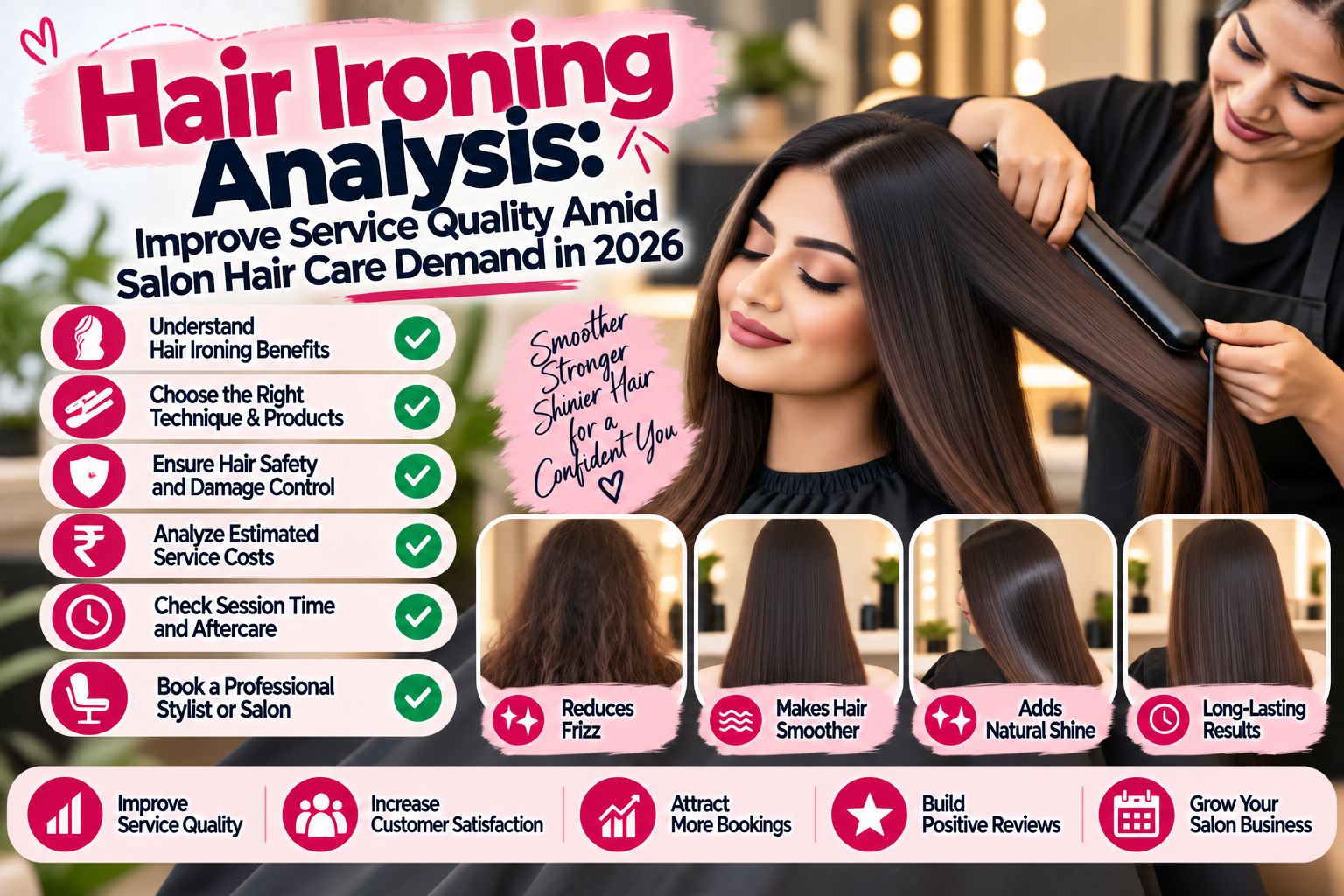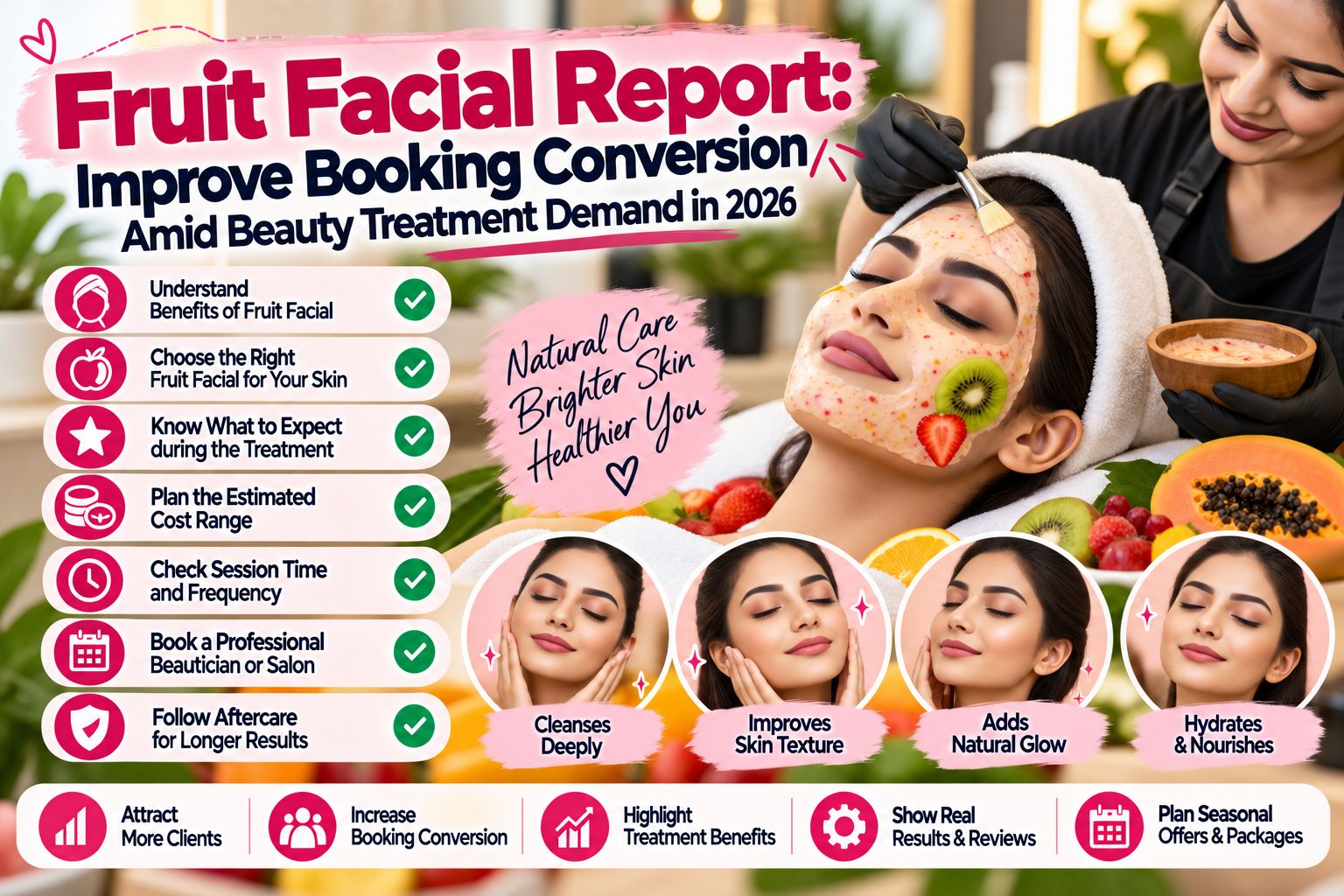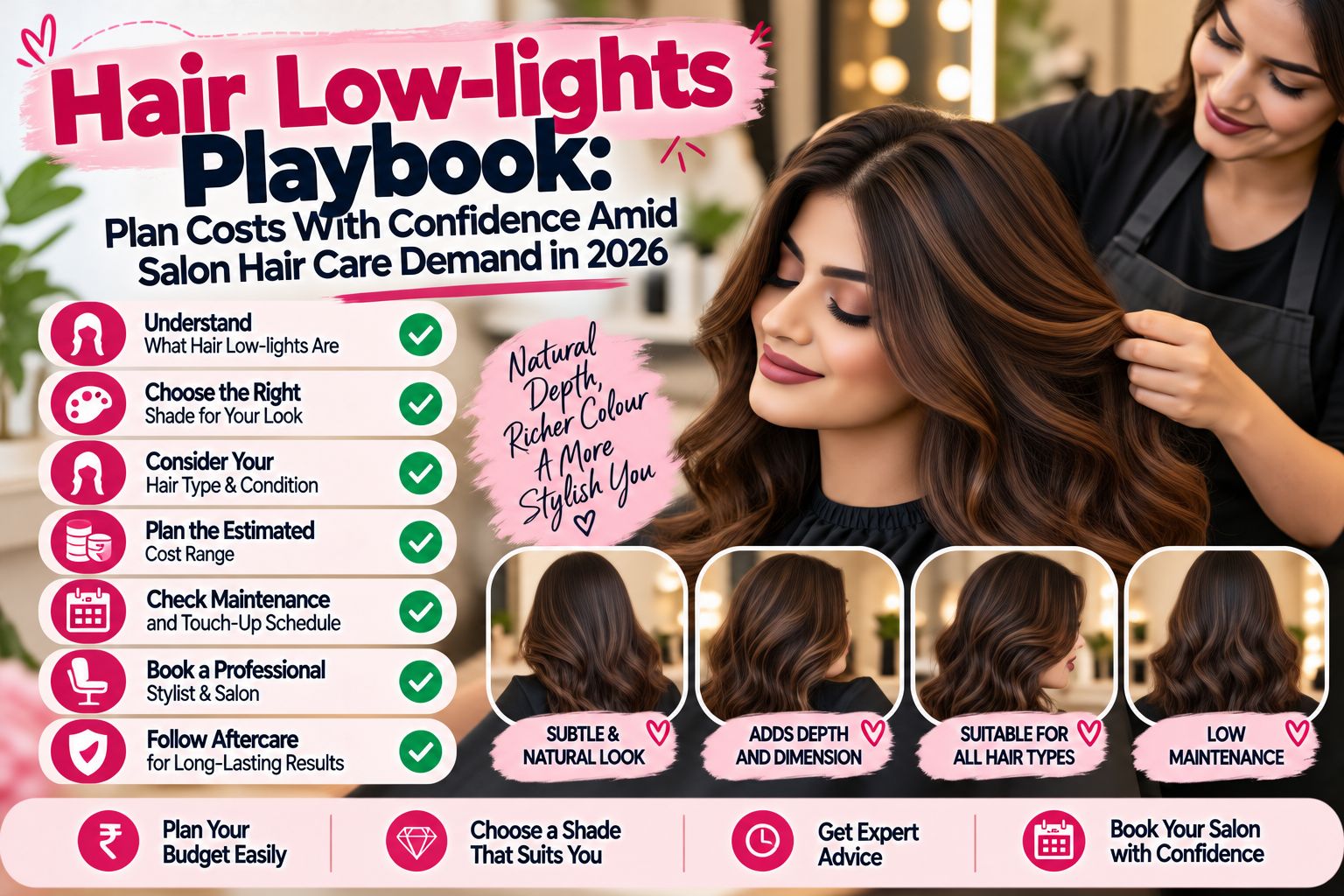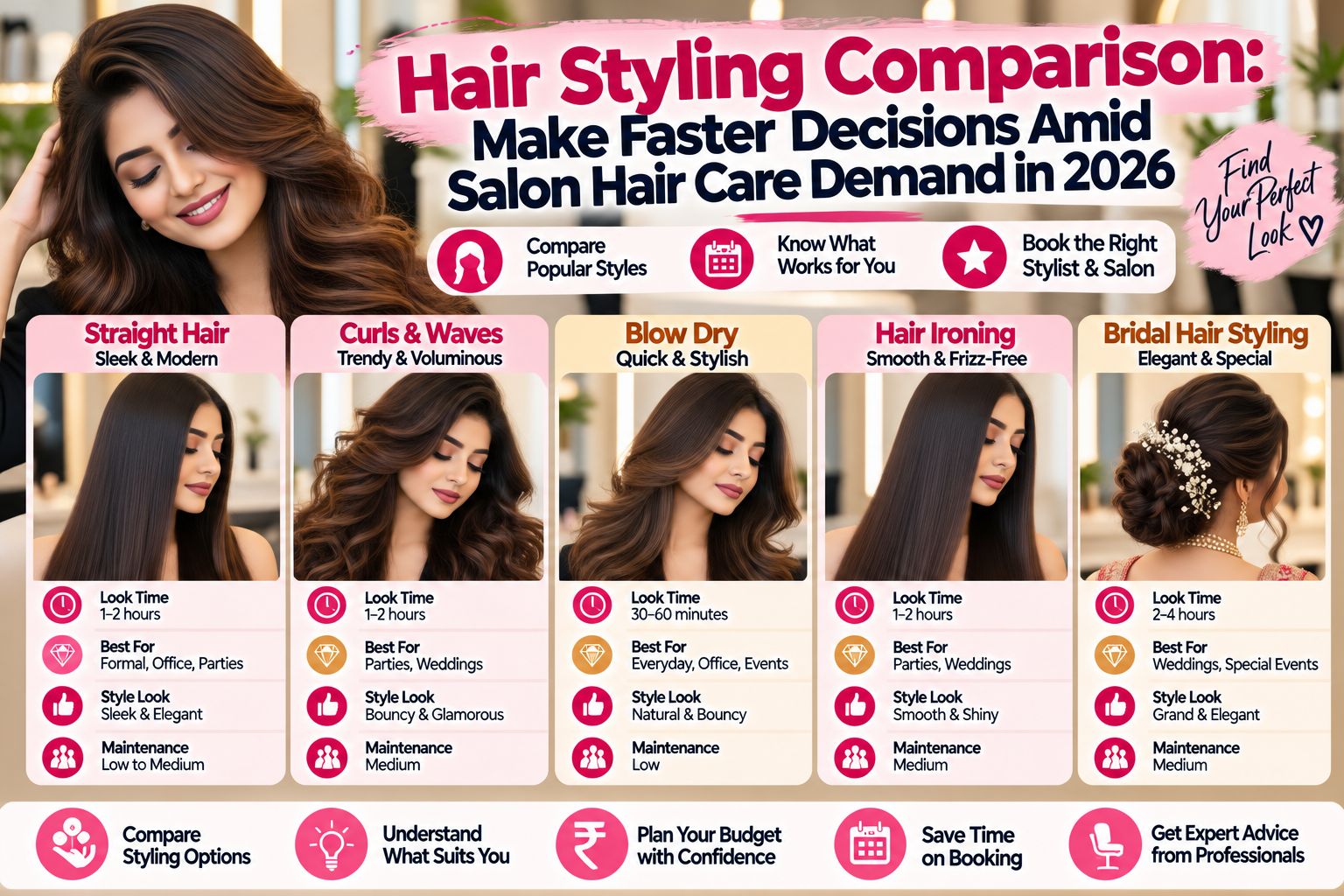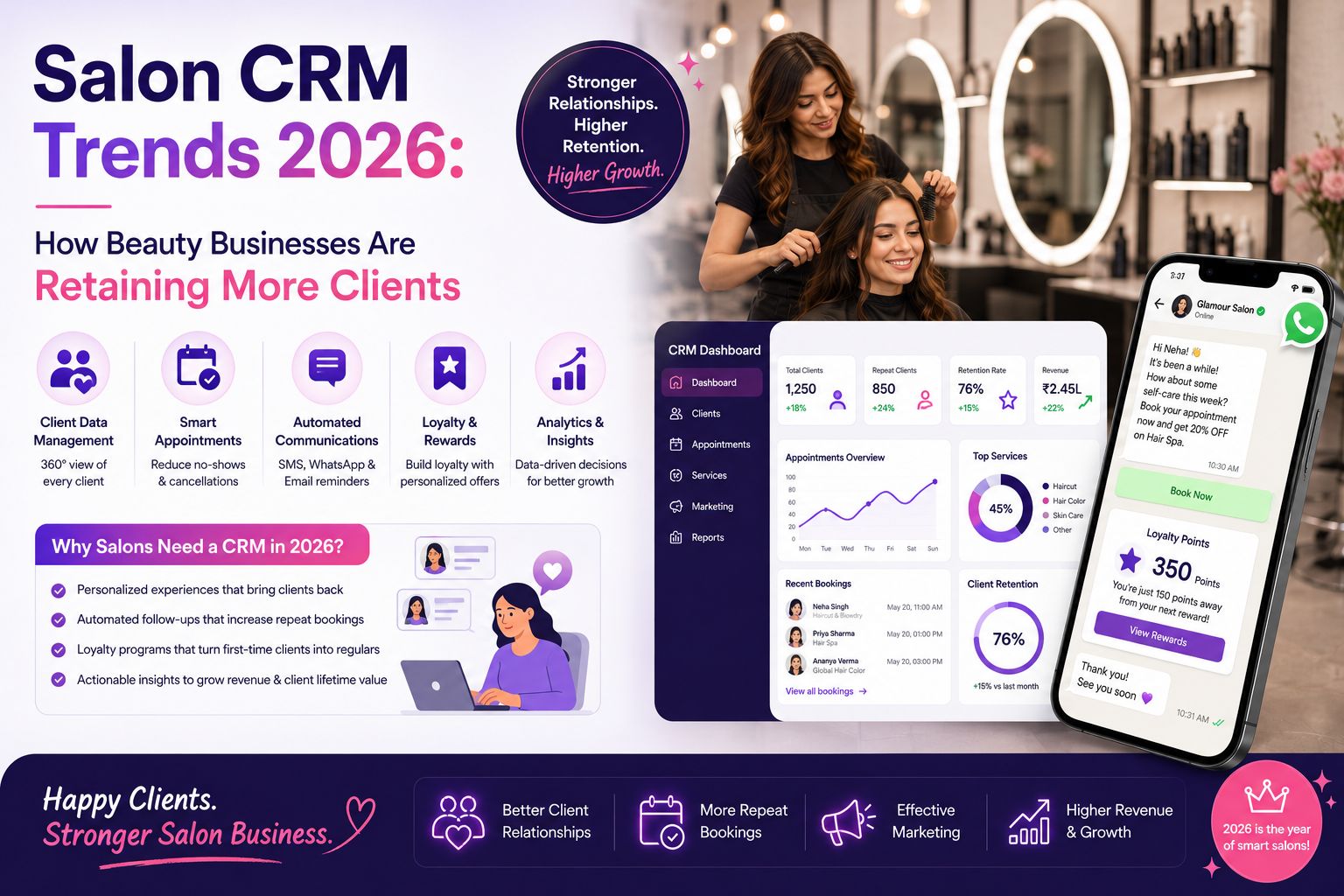


Salon CRM trends in 2026 are shifting how beauty businesses think about client retention. Many salon owners invest in software expecting instant loyalty, only to find that client gaps remain wide and repeat visits do not increase as expected. A CRM system, or customer relationship management tool, can help salons track preferences, send reminders, and manage communication. But honestly—adoption alone does not guarantee results. The real shift happening in 2026 is about how salons use data to understand client behavior, anticipate needs, and reduce the silence between appointments. Without this understanding, even the best CRM can feel like an expense rather than an investment. Beauty businesses in India and elsewhere are now questioning whether their current setup actually addresses the gaps that cause clients to drift away.
Why CRM Adoption Feels Confusing for Many Salon Owners
Many salon owners adopt a CRM but continue facing the same retention problems. Clients book once, do not return, or cancel frequently without explanation. The confusion begins when the software collects data but does not translate into action. In 2026, successful salons are not just storing client names and birthdays. They are analyzing visit patterns, service preferences, and response times to predict when a client is likely to return. Without this analysis, a CRM becomes a passive directory rather than an active retention tool. Owners often overlook the fact that a CRM requires consistent input, staff training, and a clear follow-up process. Simply installing software and expecting loyalty to follow—that is a common mistake that leaves salon teams frustrated and clients feeling disconnected.
What Realistic Retention Looks Like in Beauty Businesses
Realistic retention in salons does not mean every client books every month. In Indian salons, clients often visit based on events, festivals, or seasonal needs. A bride may book multiple services before a wedding, then stay away for months. A regular haircut client may visit every three weeks without fail. A facial client may appear only during wedding season. So retention looks different for each segment. In 2026, salon CRMs are beginning to identify these patterns and treat clients differently. One client may need a reminder before a festival season, while another may benefit from a loyalty offer after a long gap. The most effective beauty businesses understand that retention is not about frequency alone. It is about presence at the right moment and reducing the time a client goes without hearing from the salon. A CRM that respects individual rhythms performs better than one that sends generic messages to everyone.
Common Blind Spots That Undermine Salon CRM Success
One common blind spot is assuming the CRM will work without staff involvement. Many salons purchase a system, assign login access, but do not train receptionists or therapists on daily usage. In 2026, the gap between software capability and actual usage remains wide. Another oversight—and this is a big one—is neglecting to update client records after every visit. If a client changes their preferred service or skips a few months, the CRM still shows old data. This leads to irrelevant reminders and poor communication. A third blind spot is ignoring the timing of messages. Sending a reminder too early or too late reduces its impact. For instance, a hair smoothening client may need a maintenance tip after six weeks, but a generic monthly offer feels disconnected. Salons that fix these blind spots see better response rates and fewer no-shows. The CRM is only as effective as the team using it and the data feeding it.
How Beauty Businesses Are Making Smarter Retention Decisions in 2026
Decision-making around salon retention in 2026 is becoming more timing-sensitive and behavior-driven. Instead of asking how to keep every client, successful salons ask when a client is most likely to return and what message will feel relevant. Some salons now categorize clients based on visit recency, average spend, and service type. A high-spend bridal client receives different communication than a regular haircut visitor. Others are using appointment history to predict gaps and send reminders just before the client would naturally start looking for a service. This approach reduces the feeling of being spammed and increases the chance of rebooking. For clients considering more complex services like smoothening or coloring, timely follow-ups with aftercare guidance can build trust and encourage repeat visits. The shift in 2026 is away from mass outreach and toward individual relevance. Beauty businesses that master this difference retain clients without needing aggressive marketing or discounts. Engaging with salon CRM discussions on parlourtime helps owners understand how other beauty businesses approach retention timing. Many salon owners also find practical insights through salon FAQs and beauty service questions shared across communities.
FAQ
q Why do salon CRMs fail to improve client retention? a Many salons install software but do not maintain accurate data, train staff, or use insights to personalize communication, which limits the CRM's effectiveness.
q How often should a salon contact past clients? a Contact frequency depends on client behavior, but sending reminders based on past visit gaps and seasonal needs tends to perform better than fixed monthly messages.
q Can a CRM work for small salons with limited staff? a Yes, but small salons benefit most from simple systems that focus on appointment reminders, service history, and basic follow-up rather than complex automation.
q What is the biggest mistake salons make with CRM data? a The biggest mistake is entering client information once and never updating it, which leads to irrelevant offers and poor client communication over time.
q Do clients respond better to discounts or reminders? a Clients often respond better to timely reminders and service-specific tips than to generic discounts, which can feel impersonal and reduce perceived value.
q How does a CRM help with bridal or event clients? a A CRM can track bridal service sequences, send pre-event reminders, and follow up after the wedding to maintain the relationship for future appointments.
q Is it worth investing in an expensive CRM for a small salon? a Expense does not guarantee results, but a CRM that matches the salon's actual workflow and team capacity can improve retention more than a feature-heavy system.
q Where can salon owners learn more about CRM best practices? a Salon owners can explore resources like beauty guidance platforms, salon courses, and salon community discussions on parlourtime to understand what works in real settings.